Contents
Is nasturtium a poisonous plant?
Active principles of nasturtium (Tropaeolum majus)
- Sulfurous glycosides: glucotropaeolin.
- Oxalic acid
- Spilanthol
Active parts: The whole plant, less the roots and especially the young plants or the tender buds, being the seeds those that present a bigger toxicity.
Uses of nasturtium
- Medicinal plant: Given the toxicity of their components, its used is dissuaded in home-made preparations. (See more information about nasturtium properties)
- Gardening uses of nasturtium
Toxicity of nasturtium
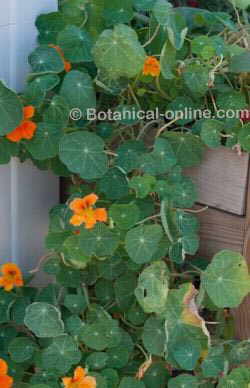
Although nasturtium is considered an edible plant or medicinal plant, the toxicity of this plant is considerable. . It has some components that we have to take into account if we decide to eat, or use it as a medicinal plant, since they can affect mainly to the digestive tract and the kidneys, producing considerable irritations in people that have manifested sensitiveness to its components and whenever the established doses are surpassed.
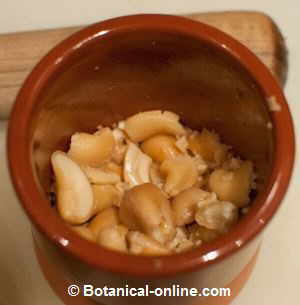
Seeds should not be consumed because they are toxic
What toxic components does the nasturtium have?
The toxic components of the nasturtium are as follows:
- Trierucine: Component toxic to the organism present in the nasturtium seeds. It specifically affects the heart. You should not consume or take remedies with the nasturtium seeds.
- Glucosinolates or sulfur heterosides: glucotropaeloside (coronary dilator and cardiotonic action). Components present in the stem, leaves, flowers and seeds. These are the components responsible for the spicy flavor of the nasturtium leaves and flowers. These are broken down into benzyl thiocyanate, with balsamic, expectorant and antibiotic action.
In certain sensitive people, or large amounts, glucosinolates or genins can be irritating to the skin or digestive tract due to their flushing properties.
In established dietary amounts, glucosinolates and their derivative benzyl isothiocyanate perform different functions in the body: They are used for their aperitif, antibiotic properties, against respiratory diseases and capillary fragility.
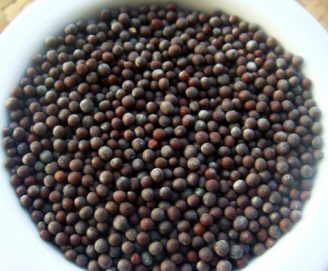
Other plants that contain the same components are watercress, mustard, cabbage or arugula.
Precautions with the consumption or medicinal use of nasturtium
- Seeds are considered the most toxic parts of the plant, which should not be consumed.
- You should not ingest large amounts of nasturtium. Its consumption is generally recommended in a small amount, mixing leaves or flowers in lettuce or endive salads. After large intakes, the components of nasturtium (glucosinolates) affect the digestive system and kidneys, causing considerable irritation.
- These effects can also occur in recommended amounts if administered to people sensitive to these components. It should be especially taken into account not to administer in people who have a gastrointestinal ulcer or kidney conditions.
- Nasturtium extract is contraindicated in hypothyroidism: Glucosinolates are goitrogenic or antithyroid components.
In case of consuming it as an edible wild plant, it is recommended to follow the following rules for the collection and consumption of wild plants.
Side effects of nasturtium
The main side effects of ingesting this plant are:
- Stomachache
- Sickness
- Vomiting
- Diarrhea
In external use, the contact with the skin can produce dermatitis.
 More information about plants.