Contents
Herbal remedies for herpes
Phytotherapy. Herbal preparation to cure herpes
Phytotherapy in the treatment of herpes involves the use of medicinal plants to achieve the following objectives:
- Relieve pain
- Prevent the deterioration of the wounds caused by herpes
- Distance herpes recurrence
Home remedies for herpes. Internal use
Among all the plants, we can distinguish the following:
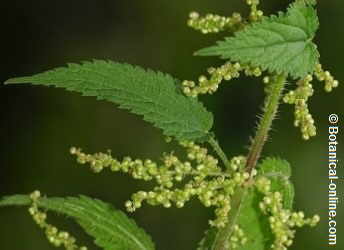
- Nettle: (Urtica dioica) They are very beneficial for the skin care, giving it a fine texture by getting rid of imperfections such as: pimples, eczema, herpes, acne… etc.
- Decoction of a handful of nettles per liter of water. Two or three cups a day.
- Eating nettles as vegetables, cooked with spinach. Take the desired quantity
- Nettle juice
- Pear tree and others: some fruit juices, for its richness in tannins, have antiviral properties appropriate to stop herpes. Drink pear juice, apple juice or grape juice. They all are very useful for delaying the onset of herpes outbreaks.
Home remedies for herpes. External use
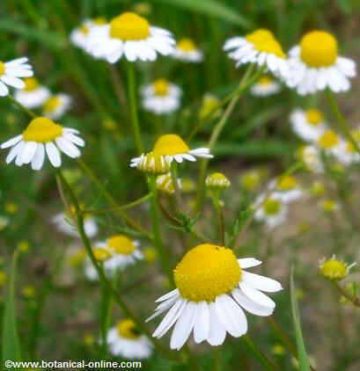
- Chamomile (Matricaria chamomilla) Its content in mucilages confers it a repairing value of the affections of the skin, the great presence of components with antiseptic and vulnerary properties- apigenine, chamazulene, gentisic acid, etc. – make it very worthy in the care and repair of the affections of the skin: pustules, wounds, cuts, punctures, scratches, chafing, eczema, seborrheic dermatitis, etc. (Apply a warm compress on the affected area.)
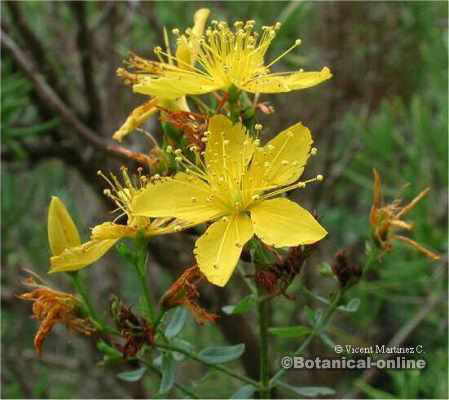
- St. John’s wort (Hypericum perforatum) Since ancient times, its richness in tannins has made this plant one of the best weapons to heal burns or wounds. During the Middle Ages it was a usual antibiotic, very useful to treat the wounds of war. In the sixteenth century, it was called wort herb and, later, military herb. (Infusion of a couple of tablespoons of the dried plant. Perform frequent washing of the affected part with the resulting liquid)
- Walnuts tree (Juglans regia) They can be used to treat skin problems like eczema, psoriasis, dermatitis, pimples, itching, etc.
- Infusion of 10% of dry leaves in a liter of water. Apply wet compresses on the affected area
- Pour a handful of dry leaves in the bath
- Decoction of 40 g of dried leaves per liter of water. Apply a compress on the affected area.
- Sage: (Salvia officinalis) Sage is a very interesting plant to treat skin problems. (Infusion of a handful of dried leaves per liter of water. Apply a compress)
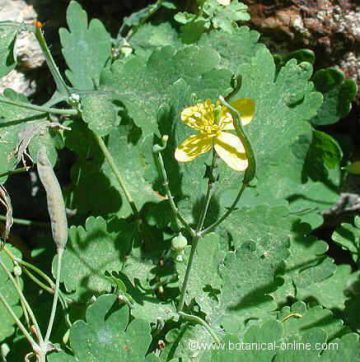
- Celandine (Chelidonium majus) (Apply a compress of the decoction for 2 minutes of 15g. per liter of fresh leaves)
- Blue bugle (Ajuga genevensis) (Infusion of 2 tablespoons of the dried plant per cup of water. Wash the affected area)
- Heather (Erica carnea) (maceration of 250 g of dried flowers per liter of oil for 15 days. Apply to the affected area)
- Guanabana or soursop (Annona muricata) Acetogenins have anti-viral activity. They are able to fight herpes simplex.
- Lemon balm (Melissa officinalis) (Infusion of a couple of tablespoons of the dried plant. Perform frequent washing of the affected part with the resulting liquid)
- Comfrey: (Symphytum officinale) (Poultice of dried plant)
- Blood-red geranium (Geranium sanguineum) (15-minute infusion of a spoonful of the dried plant. Wash the affected area)
- Purple-loosestrife (Lythrum salicaria) pectin, tannins, vitexin and chlorogenic acid, for their bacterial and astringent properties, give purple-loosestrife very positive values for skin care (Decoction of a handful of dried flower tops per liter of water. Apply a compress on the affected area)
- Cat’s Claw (Uncaria tomentosa) The ability of this plant to increase the immunity would be interesting in the treatment of this disease (A couple of cups of the decoction for 10 minutes of a teaspoon of dried plant per cup of water)
Cayenne pepper for herpes
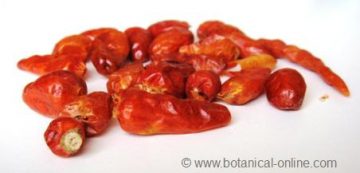
Postherpetic neuralgia is pain felt by some patients after they have passed the attacks of herpes.
The use of cayenne pepper (Capsicum frutescens) can help alleviate herpes pain. (Infusion of a quarter teaspoon of cayenne pepper in a glass of hot water. Drink throughout the day in small sips)
Even more interesting is the use of capsaicin, a supplement extracted from the cayenne pepper for external treatment of this disease.
In some studies, the use of capsaicin helped ease the pain in 50% of patients treated.
To take into account when using cayenne pepper for herpes
- Cayenne pepper creams or ointments should be applied two or three times a day
- They require a few days to see the positive effects.
- You must abandon the treatment in case of not experiencing any improvement after a few weeks or even if you suffer a deterioration of your illness conditions
Essential oils for herpes
To reduce the pain you can apply essential oils diluted in water on the area that causes pain, itching or burning.
Among the suitable oils we have the following ones: chamomile, lavender, lemon, eucalyptus and bergamot.
 More information about herpes