Contents
Herbal treatment of stomach ache
Phytotherapy. Plant preparations for an upset stomach.
The phytotherapy in the treatment of stomach pain involves using a series of plants for the following purposes:

- Plants suitable to reduce the excess of stomach acid.
- Plants suitable to lower stomach ache.
- Plants for improving digestion.
Plant preparations for an upset stomach
From all the plants we can mention the following:
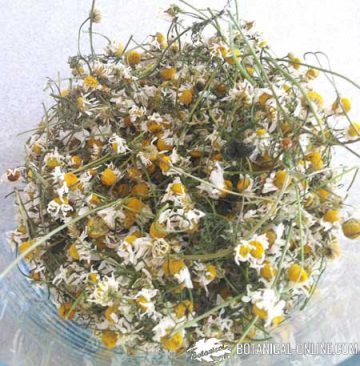
- Camomile (Matricaria chamomilla): As a protector and repairer of the gastric membrane, chamomile is very suitable to favor digestion and to expel flatulence from the digestive tract. Similarly, it is interesting in cases of intestinal spasms, which makes it very convenient for an upset stomach. It is also very appropriate in case of gastric ulcer, gastritis, diverticulosis, diverticulitis, colic, etc. (Infusion of a spoonful of dried flowers per cup of water. Take 2 to 3 cups per day)
- Licorice (Glyzyrrhyza glabra) The root of this plant has antispasmodic and anti-inflammatory properties of the gastric mucous, which helps to prevent or treat stomach heaviness, indigestion or other digestive diseases. Licorice is one of the best remedies to remove acidity. (Chew 3 licorice wafers without glycyrrhizin about three times per day)
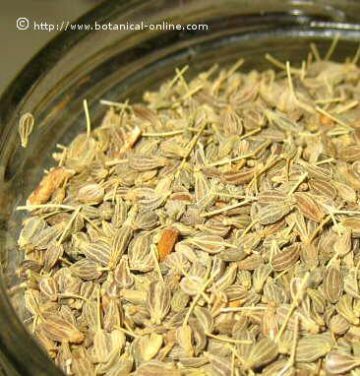
- Anise (Pimpinella anisum) is one of the best remedies for digestive problems. Like fennel it has got stomachic, sedative, carminative and antispasmodic properties . Its use will help us to remove flatulence, relax the stomach muscles and reduce pain produced by spasm. (Infusion of a teaspoon of dry fruits for a cup of water. Drink two glasses everyday) (Macerate dry smashed anise seeds with dry gentian root in similar proportions. Keep the mixture in maceration for 10 days. Drink a teaspoon before the main meal)
- Lime: (Citrus aurantifolia) It is considered that lime balances the nervous system, because in their oils there are calming essences.) (Infusion of a teaspoon of dried leaves three times a day, or infusion of the bark of key lime)
- Kumquat: (Fortunella spp) kumquat essential oil is rich in limonene, with sedative and tranquilizing properties. The tea leaves are used to treat upset stomach (Infusion of a teaspoon of dried leaves three times a day or take the fruit in the diet)
- Caraway: (Carum carvi) Caraway has also numerous components that promote digestion. For its eupeptic qualities, is suitable for people with difficult digestion and already in the times of Dioscorides it was taken to relieve stomach pain. (2 grams of seeds (half a teaspoon) whole or crushed, per cup of water. Take a cup after meals)
- Lemon verbena (Lippia triphylla) (Infusion of a spoonful of dry leaves for each cup of water. Two cups a day)
- Fennel (Foeniculum vulgare) Because of its carminative and digestive properties, fennel favors digestion, helps to remove flatulence and increases appetite (infusion of 5 g of dry fennel fruits per cup of water. Drink 2 cups a day) (In case of inappetence or anorexia, drink a cup of this infusion half an hour before meals)
- Agrimony (Agrimonia eupatoria) The astringent properties of agrimony can be used in cases of diarrhea. (Infusion of a teaspoon of dried leaves and flowers per cup of water for 15 minutes. Drink two cups a day)
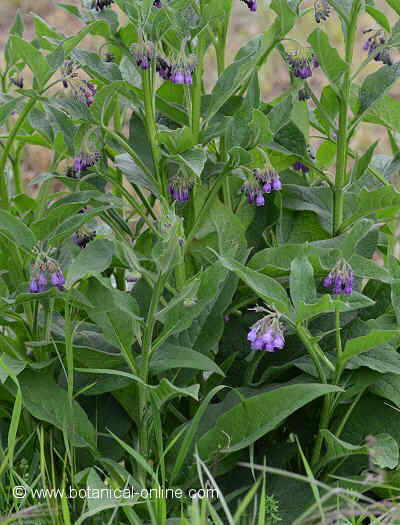
- Borage: (Borago officinalis): Borage contains large amounts of mucilages. Eating boiled borage helps to have the stomach healthy, increasing food digestion and preventing stomach ache. (See toxicity in the general study of the plant)
- Celery (Apium graveolens) It cures the pain and prevents spasms (infusion of 40 g of root per liter of water. 2 cups per day)
Mixed infusion to eliminate swelling and flatus |
| Fennel, cumin, coriander and anise are, separately, the best remedies to relieve swelling caused by the accumulation of gases in the digestive track caused by bad digestion. When we combine the three of them in the same preparation, we enhance their medicinal properties. Mix equal parts of the fruits of these four plants. When we feel too bloated, we will make an infusion with a teaspoon of the mixture per cup of water. |
- Lemon balm (Melissa officinalis) is a reputed antispasmodic capable of reducing the stomach cramps. At the same time, it is an effective aid to favor poor digestion, vomiting or flatus. (Infusion of a teaspoon per glass of water for 15 minutes. 3 or 4 glasses a day between meals)
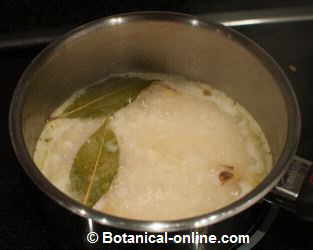
- Rice (Oryza sativa) Rice is very rich in starch. The starch, mixed with water, has demulcent properties. Demulcent components are the ones that protect the internal mucous or the external skin. The rice water has demulcent properties, able to smooth the irritated stomach; that is why it is very suitable in case of gastritis or stomach ache.
- Barley (Hordeum vulgare) (Take three glasses of barley water)
- Marshmallow (Althaea officinalis) for its richness in mucilages, it exerts an anti-inflammatory and soothing role on gastric mucous. Its use in stomach or intestinal disorders is well recognized. (Infusion of a teaspoon of dried leaves and flowers per cup of water for 10 minutes. Two cups a day)
- Ginger (Zingiber officinale) In addition to being an antiemetic, ginger is able to neutralize the bacteria Helicobacter pylori, responsible for many stomach ulcers. Equally well known is its ability to reduce acidity. (Add ginger to meals) (Use ginger powder under the terms of the patient information leaflet) (Do not take daily doses of powdered extract greater than 2 g. Higher doses of about 6 grams daily can cause ulcers or gastritis.) (Do not take if ulcer or gastritis) (See general contraindications in the study of plant)
- Thyme (Thymus vulgaris) promotes digestion, prevents gastric and intestinal spasms, and diminishes the formation of putrid gases in the intestines. (Infusion of a teaspoon of floriferous summits per cup of water. Take 3 cups a day after meals) (Maceration of a handful of flowers in a liter of white wine. Have a drink after a meal)
Mixed infusion to reduce pain |
| Infusion for 10 minutes of a tablespoon of chamomile with half tablespoon of rosemary and half teaspoon of sage in a half a litre of water. Drink half a glass of water sweetened with honey every ¾ of an hour. |
 More information on stomach ache.