Nutrition for hypermetropia
DIET FOR HYPERMETROPIA
Suitable food for hypermetropia
In the treatment of hypermetropia it is recommended eating foods rich in the following components:
- Vitamin A for hypermetropia : Vitamin A is needed for seeing well, especially to prevent night blindness which is the lack of vision in low light conditions. Deficiency of vitamin A may even cause this disease. Its antioxidant power is very interesting to keep your eyes in good condition, preventing diseases such as loss of vision, night blindness, cataracts, glaucoma or hypermetropia. It also helps the eyes to overcome bacterial infections such as conjunctivitis.
Vitamin A rich foods are spinach, carrots, watercress, borage, basil, squash, tomatoes, coriander, asparagus, dandelion, peppers, watermelons, melons, sprouts, bananas, apples, plums, oranges, mangoes, etc.
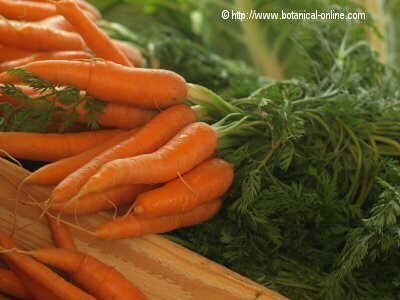
Carrots are rich in vitamin A
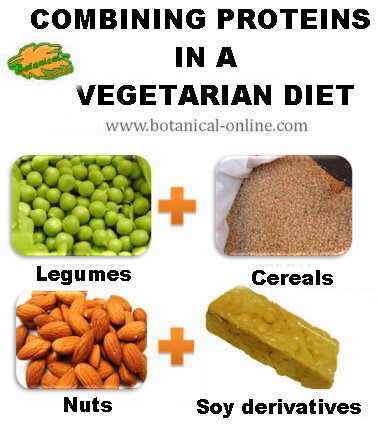
- Vitamin B for hypermetropia : Deficiency of this vitamin can affect the eye muscles, wakening them what produces focusing difficulty, eye watering, itching, reddening, etc. It can be obtained from whole grains (wheat, oats, barley, etc.) Nuts (hazelnuts, almonds, walnuts) vegetables (cabbage, cauliflower, spinach, radishes, endive, lettuce…) etc
- Thiamin: Vitamin B 1 deficiency is mostly responsible for eye muscle debility. In animal foods, it appears on meat (especially pork and calf liver) and in milk and its derivatives (Cheese, yogurt, etc) Plant foods rich in thiamin are beans, asparagus, peas, chicory, oats, brussels sprouts, grapes, spinach, eggplant, garlic, beans, lettuce, pineapples, oranges, etc.
- Vitamin C for hypermetropia : In addition to its antioxidant properties, vitamin C is needed for the absorption of vitamin A. Its deficiency causes a weakness in the capillaries. Vitamin C deficiency makes swollen or injured eyes more difficult to recover.
Citrus fruits (oranges, lemons, grapefruits, limes, tangerines, etc.) are very rich. Other plants that contain a lot of this vitamin are: cauliflower, radishes, brussels sprouts, spinach, bananas, apples, melons, watermelons, carrots, pineapples, pears, papayas, barley, garlic, blackberries, celery, peas, strawberries, raspberries, currants, blueberries, grapes, celery, figs, beans, chicory, cranberries, potatoes, avocados, soybeans, custard apples, mangoes, pomegranates, coconuts, etc.
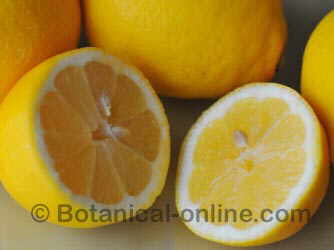
Lemon is rich in vitamin C. It is recommended to squeeze lemon juice into salads, infusions, etc.
- High- zinc containing food for hypermetropia : Zinc is necessary for good vision, since it helps the absorption of other components needed for the eyes, such as vitamin A. Milk derivatives, such as cheese or yogurt, are very rich in this mineral. We can also find it in red meats.
Among the main vegetable food we can distinguish celery, asparagus, borage, figs, potatoes, eggplant, etc.
- Bioflavonoids for hypermetropia: They exert an antioxidant function and therefore they can help maintain your vision in good condition. Among the most important ones we can consider lutein and zeaxanthin
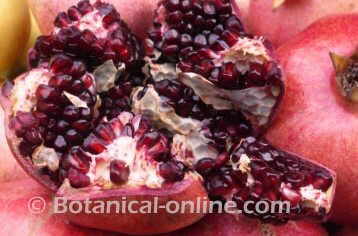
Pomegranate is high in bioflavonoids
Foods high in these anthocyanidins are blueberries, blackberries, raspberries, cherries, apples, plums, eggplant, purple cabbage, etc.
 More information about hypermetropia