MEDICINAL PROPERTIES OF LEMON BEEBRUSH
Internal use
- Carminative: Very useful to expel the gases of the digestive tract, avoiding flatulence and aerophagia. (Infusion of a spoonful of dry leaves for each cup of water. Two cups a day)
- Stomach: To make digestion easier or in weak or nervous stomachs, it exercises a stomachic, digestive and tranquilizing tonic function, avoiding the spasms and the dyspepsia – bad digestions accompanied by gases, vomiting sensation and stomach ache – Borneol and limonene are responsible for this last property. (Infusion of a spoonful of dry leaves for each cup of water. Three cups a day, after meals)
- Bad breath: When one has the tendency to have halitosis,o bad breath it is very useful to carry out mouthwashes with the infusion of a spoonful of leaves and dry flowers of Lemon beebrush for each cup of water.
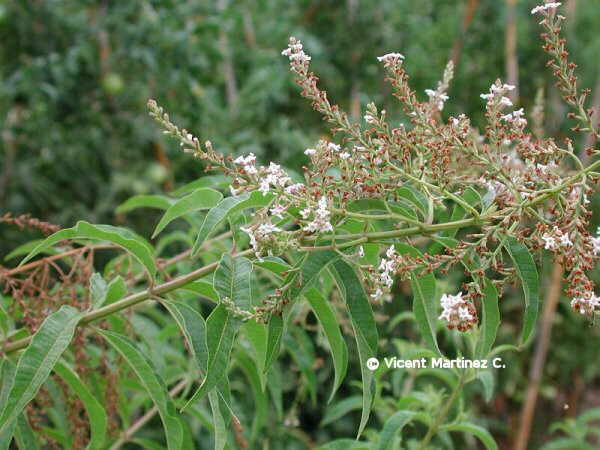
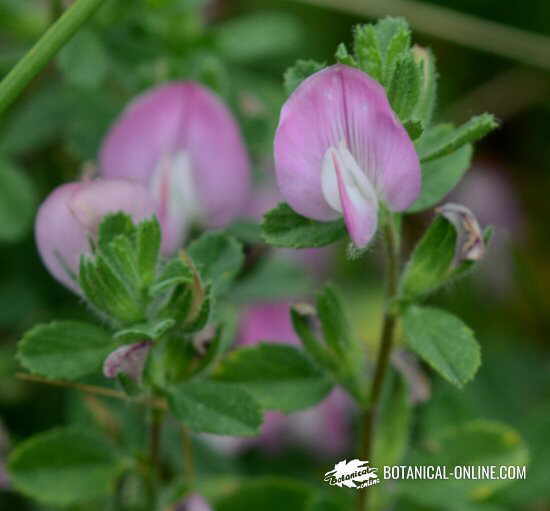
Picture of Lemon verbena
- Respiratory track: The infusion of a spoonful of leaves and dry flowers of Lemon beebrush are beneficial for the affections of the respiratory system, especially to expel the mucous, reason why it exercises an expectorant function. In the same way the same preparation is appropriate to combat cough.
- Relaxant: It is very appropriate the infusion of this plant to relax and to strengthen the nerves. This same infusion one can be added to the water of the bath to get the mentioned tranquilizing effect.
Another uses of Lemon verbena
- Kitchen: Lemon beebrush is used in the kitchen like an aromatic plant, to flavor many dishes: fish, chicken, salads, pastries, etc. It also enters in cocktails, sherbets, or cold drinks to whom it contributes with a very exotic touch. Equally interesting it is for ” chefs ” the sauce of Herb louisa that is elaborated with its leaves, with sugar, flour, butter and lemon juice.
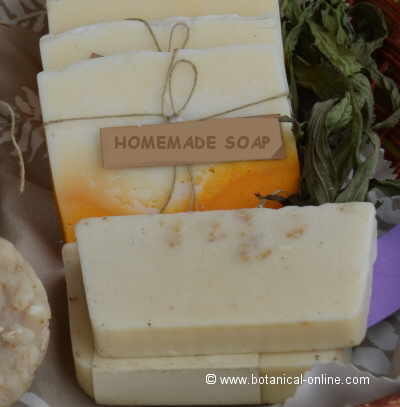
- Perfume industry: Being its essential oil very rich in aromatic components and because of its germicide properties, it is used in the industry of the perfumery, entering in the composition of many cleaning products, like soaps, shampoos, tooth pastes, hair lotions, etc.

 More information about medicinal plants.
This article was endorsed by Montserrat Enrich - Journalist specializing in edible wild plants and plant uses.