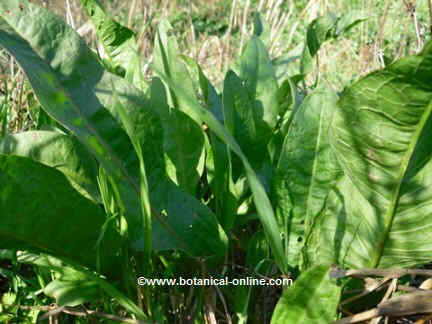
Benefits of sorrel (Rumex acetosa). The leaves are rich in vitamin C, beta carotene and fiber. They also contain active ingredients such as anthraquinone and flavonoids
How to combine different plants in the same plot? What is intercropping? Why is intercropping done? Uses of intercropping. Advantages of intercropping
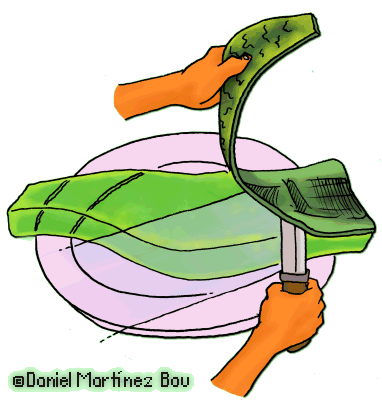
Ingredients: ½ kilo of wild asparagus, Half a dozen eggs… Preparation: Clean the asparagus, Cut them into small pieces, Discard the stud that is not tender…
The recipe that follows is a healthy and original starter, made only with herbal ingredients
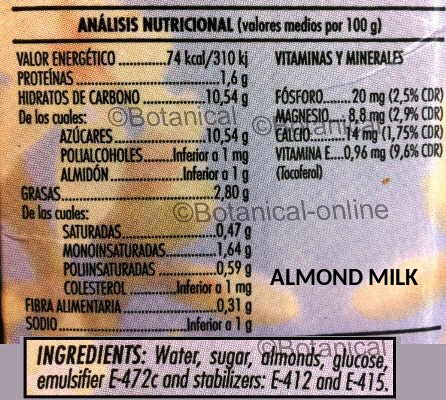
Does almond milk have a lot of calcium? Almond creams to prepare What almond milk contains calcium?
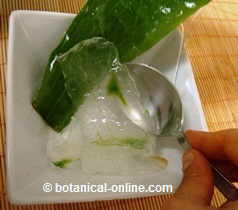
How to treat acne through preparations for external use, by applying compresses or poultices. For example, you can use aloe gel, applying it to the skin or the liquid resulting from a decoction of mallow flowers
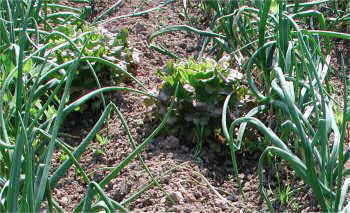
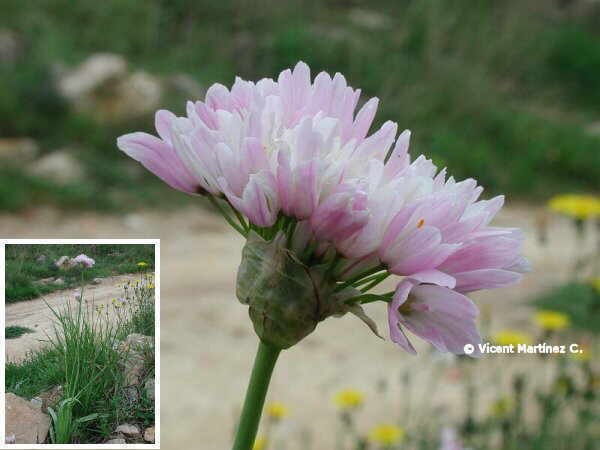
Rosy garlic (Allium roseum) care sheet. Keep the soil permanently humid. Demishade in places fresh, better under the shade of the trees or beside currents of water…
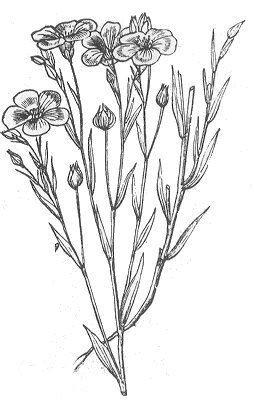
Cultivated from long time ago like a textile plant and for its seeds. Today, it can be found like a naturalized plant in some dry places, rich in organic waste
Arginine is an amino acid that preserves the immunity of our body by stimulating the thymus in the production of lymphocytes, which act as the body’s defenses against pathogens
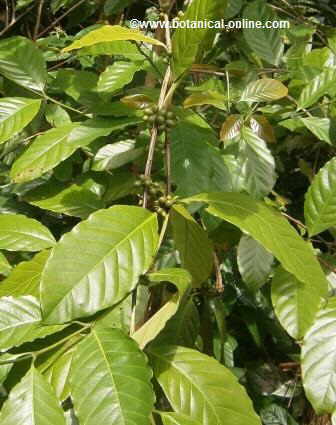
A brief history on coffee. Origins of coffee plant. First “modern” uses of coffee. The brewing process. The expansion of coffee consumption in the Arab world and in the West. The production and consumption of coffee in America
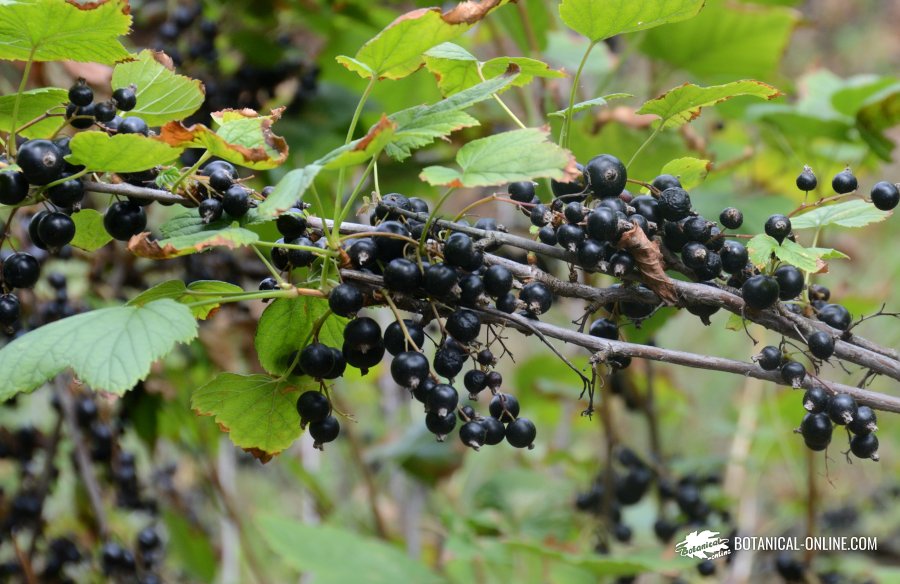
Blackcurrant seed oil is one of the products obtained from this plant more used as a remedy nowadays, because it contains essential fatty acids Omega-3 and Omega-6.
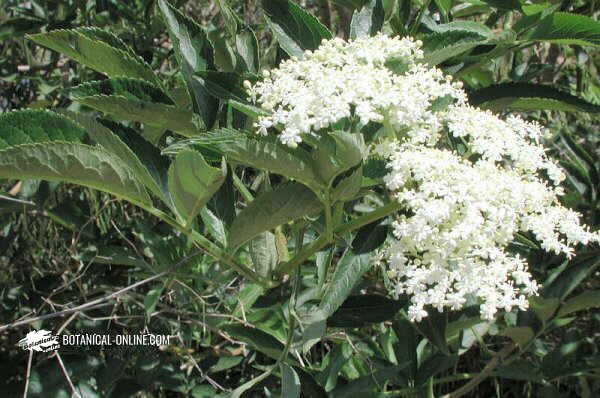
Elder leaves and bark has historically been used in medicinal preparations. Today, they are thought to be poisonous, so we can only use elder flowers or very ripe elder fruits. Elder flowers are specially interesting from a medicinal point of view
How much lactose can we take from milk? How much lactose is there in the different types of milk? Can milk be replaced by yogurt, kefir, cheese or other dairy product? How to replace milk or milk products with other foods rich in calcium?