Contents
How to grow corn plant (Dracanea fragans)
Corn plant cultivation guide
Characteristics of the corn plant
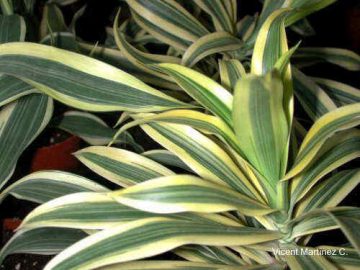
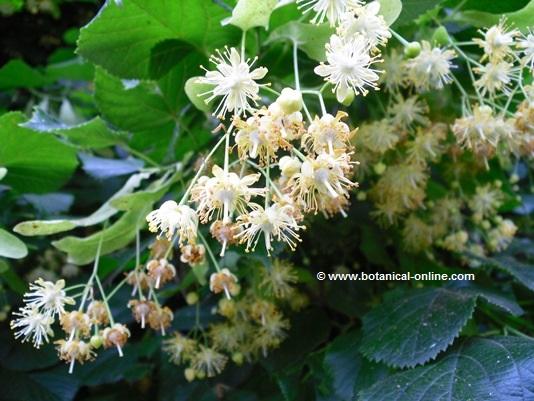
 Corn plant. Flowers. Perennial shrub of the Agave family – Agavaceae. Erect stems, light brown, provided with vertical furrows and horizontal rings. (In grown-up samples they are devoid of leaves) Very distinctive leaves, lanceolate and hanging, from 8 cm to 1 m long, bright green, with a yellowish band in the middle. Yellow flowers, very scented in ending panicles, only appearing in adult samples being more than 1,80 m tall. Blooming is usually very rare, since it only happens once or twice throughout its live. It comes from tropical America.
 Corn plant. Watering It doesn’t need a lot of water. The soil should be lightly humid without flooding it. In winter it should be little watered, once in a week as maximum and a couple of times or three during summer. If there is central heating watering should be increased in winter. The ideal thing is to introduce a finger in the soil to check that there is a little humidity. If you feel the soil dry or it doesn’t stick on the finger, the plant needs watering. It is not good that it dries completely between watering and watering. A good symptom to detect dryness is to check that the inferior leaves become dry and fall. In this case we will increase watering. On the contrary, leaves without luster, withered and dark indicate too much water. The best thing is to stop watering it until the plant becomes healthy again. It is never good for the plant the pot to be placed inside a recipient with water reaching it. Although it is very convenient to put some pebbles on a plate and pour some water without covering the stones completely. You can place the pot on the pebbles, taking into account that water mustn’t reach the pot. Water evaporation will provide the required humidity to the plant.
One of the usual problems of this plant is the formation of dry areas in the end of the leaves. This is due to an excessive environmental dryness. A good way to solve it is to spray the plant with water a couple of times per week or to clean the leaves with a humid cloth, what will help it to breathe better and to maintain a higher humidity. Dry parts should be eliminated cutting them with some clean scissors just at the end of the dry area without the cut affecting the healthy part.
A weekly spraying with water becomes necessary for the plant to be healthy. A good way to provide it humidity is to place it among other plants or place some recipients with water next to it so that evaporation increases the environmental humidity.
Corn plant. Use Like a pot plant indoors or, in warm gardens during the summer, outdoors. Used outdoors, it should have a lot of light but not in full sun, because the direct light of the solar rays can burn it. When it is used indoors it should be place in a light place, although not directly in the sun. Next to a window not facing the sun and with a good ventilation would be the ideal place. Although it can live in places with low-light, when the conditions of light are too low, the leaves fade and lose the brilliant green that characterizes them.
 Corn plant. Location. Being a tropical plant, cultivation conditions should be similar to those where the plant comes from. A temperature ranging from 20 to 25ºC would be the ideal thing. When environmental conditions are too cold, this plant stops its growth and allows its leaves to fall down.
 Corn plant. Reproduction. It can be reproduced in spring or autumn by means of stem cuttings (Cut a piece of stem without leaves and plant it in the soil. It will root in 2 or 3 weeks) or making roots sprout from its leaves. To do this we should follow the following steps:
- Cut a group of lateral terminal leaves.
- Remove the inferior leaves leaving a piece of peeled trunk.
- Introduce this fragment in water so that it produces roots
- Plant it in a pot.
 Corn plant. Soil, fertilizer and pests. A loose soil with a good drainage is the suitable one. It is very appropriate to mix peat with garden soil. Provide it some liquid fertilizer every month during summer.
Among the main pests, the following ones should be mentioned:
– Red scale: They are a sort of small brown animals that are hooked to the inferior part of the leaves and the trunks. An adhesive juice is produced because of their excretions that makes the plant become sticky. We should remove these animals with methyl alcohol and apply a specific insecticide.
– Botrytis: It is a fungus that attacks the trunk and rots it. It is generally necessary to refuse the affected parts of the plant or the whole plant when the infection is very wide.
– Red spider: It takes place as a result of the attack of this insect that takes advantage of the dryness to reproduce. We should spray the plant with a specific product and increase humidity.
– Trunk driller caterpillar: it lives inside the trunks where it digs galleries. A specific insecticide should be applied.
Another species of “Dracanea“
Dracaena marginata ………………………Dracaena.
Dracaena draco …………………………Dragon tree
Dracaena hookeriana ……………………………
Dracaena sanderiana …………………………………..
Dracaena song india …………………………Corn plant.
 More information about plant cultivation.