Contents
Health benefits of oregano (Origanum vulgare L.)
Medicinal properties of oregano
Internal use preparations with oregano
- Carminative: To expel intestinal gases. Thymol and carvacrol, besides being antiespasmodic, are appropriate to get rid off flatulence.(The infusion previously mentioned can be good for this need)– Digestive: Specially in cases of intestinal spasms. Thymol, carvacrol and borneol, together with caffeic acid, are the components that fundamentally exercise this function. (Infusion of a spoonful of flowers in a cup of water. Three cups a day, after the main meals) Besides helping the stomach, the hepatoprotective values of the ursolic acid, appart from a well- tested antitumoral activity, make it very appropriate for liver illnesses.
- Bactericide: Besides being a great antioxidant, it possesses antimicrobial properties that may be useful to eliminate the microorganisms that cause food poisoning. (Infusion of a spoonful of dried plant per cup of water. 3 cups per day)
- Expectorant, anti-inflammatory, antiseptic of the respiratory system: Useful for breathing ailments caused by infectious processes, as cold, flu, sore throat, bronchitis, etc. eliminating the cough, reducing the inflammation in bronchi and helping in the elimination of the germs (5 drops of essence a day) (5 ml of extract of fluid)
- Febrifuge: At the onset of respiratory problems caused by infectious processes oregano acts by eliminating coughs. It’s got bronchial anti-inflammatory properties, reducing fever and aiding to eliminate germs

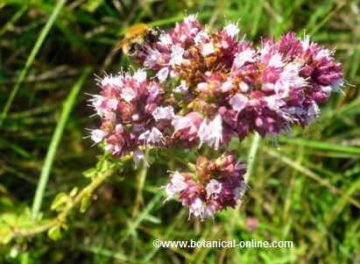
Oregano plant - Emmenagogue: It slightly reduces the pains of the menstruation and facilitates the emptying, avoiding the collateral problems associated with it, such as headaches, stomachache, retention of liquids, general irritability. (Infusion of flower summits) For amenorrhea or lack of temporary menstruation (Infusion of a spoonful of flowering tops. 2 daily cups during one week, previous to the menstruation)
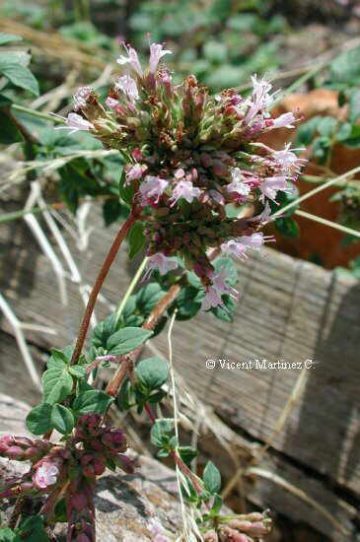
– Because of its content in flavonoid naringenin, it has antiplatelet properties that promote circulation, and improve irrigation of the brain, so this plant may help improve memory in case of memory loss. (Infusion of one teaspoon per cup of water. Take two cups per day)
External use remedies with oregano
- Vulnerary: In external use the antiseptic and fungicide values mentioned previously can take advantage to disinfect wounds, but at the same time their analgesic and healing properties will remove us the pain and will help us to recover the external lesions (Apply essential oil on the part of the skin affected with a clean compress)
Very useful for hematomas (Apply a hot compress fluid from the infusion of a spoonful of flowers per cup of water may be suitable for the treatment of bruises.)
- Rheumatism: It is a good remedy for the pains and inflammations caused in the joints by the rheumatic illnesses, such as arthritis. (The previous treatment. It is very appropriate to take a hot bath, pouring in the water a couple of liters of infusion of dry flowers).
- Tonsillitis and sore throat: Equally we can carry out gargles with the previous preparation to combat the sore throat
Other uses of Oregano
- Cookery: In the kitchen it is used to season stews, either dry or fresh. It is very aromatic and refreshing in salads and provides very good flavor to the meat, fish, rice, birds etc. From the antiquity its use as food goes back at Egyptian times when, among other properties, it was considered a stimulant remedy.
Very used in the Indian cookery, which has converted India a great producer of this spice, however Morocco and Greece seem to be the first producers in the world.
- Cosmetics: The cosmetic industry, as well as those of perfumery, use the richness of oregano in oils for the elaboration of perfumes.
Toxicity of oregano
Its essential oil can be considered as a narcotic. When ingesting it in superior doses of 5 drops, or even in inferior intakes in certain cases, it can produce drowsiness and even unconsciousness although the symptoms of an initial phase can be of euphoria and excitement. In cases of pregnancy its ingestion can produce abortions.

 More information about plants.