Main pests and diseases of chard
Main chard pests
The main pests that affect them are:
Aphids: attacking the lower parts and tender, causing damage to them. We can control it with chemical or by other means more natural. (For more information on aphids)
- The beet fly (Pegomya hyoscyami) The larvae of this insect, also known as leafminers, dig tunnels in the leaves that determine them to dry them. When the attack occurs in the youth of the plants, it affects their growth. To address this scourge at a not very developed stage, you can boot the affected leaves. A significant infection will require the use of insecticides.

Photo of chard The spider mite (Peronospora parasitica f.sp. brassicae) is a disease caused by fungi during wetter times of making the leaves turn yellow. Although it can be treated with a specific product is best to choose plantlets that are free of the disease.
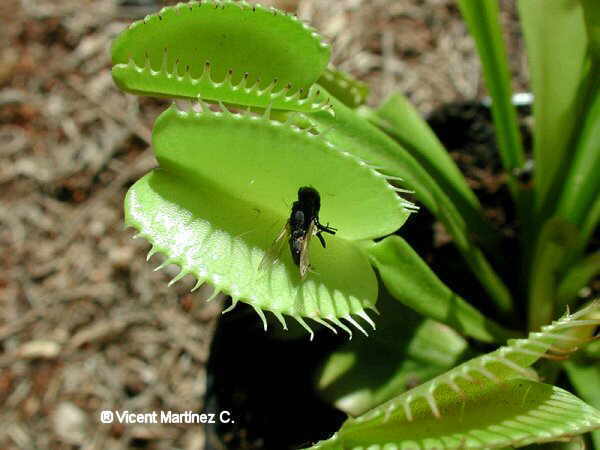
- The leaf miner: (Liriomyza huidobrensis) very small flies, black, whose larvae dig galleries in the interior of the leaves. They are treated with a systemic insecticide.
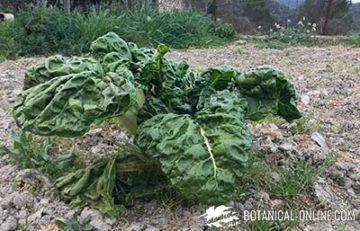
A green solution is to macerate the same proportion of ethyl alcohol, water and garlic for a week. Subsequently the mixture is diluted with water in proportion of 20 parts water for every liter of preparation and it is sprayed with plants every 4 days.
- European mole cricket: (Gryllotalpa gryllotalpa) is an insect that digs tunnels in the soil and feeds on roots and bulbs of plants. The best solution is to use a proper insecticide.
- Snails and slugs: Snails and slugs are common pests in the orchard and garden, especially on rainy days of spring, when they go out especially at night to devour the young shoots of plants. We know they were there because of the mucous trails left, often covered by excrement and by the holes made in the leaves and stems. They can even attack the underground edible parts.
They attack most garden vegetables, like beets or lettuce. The application of propeller baits or metaldehyde sprays have been the usual ways of dealing with these pests.
Other procedures include the use of ecological barriers of sawdust around the stem of plants, traps with beer, surround the plants with leaves of potato, tomato or nasturtium.
Chard most widespread diseases
- Mildew (Peronospora farinosa. Peronospora spimaceae) is a fungus that enhances their development with increasing humidity. Produces leaf spots that are turning yellow and a kind of cottony layer on the underside of the leaves. Preventive treatment focuses on reducing moisture, through aeration of the plants, leaving more space between individuals or between the rows. It is convenient to use treated seed and certify and disease resistant varieties and crop rotation. Sprinkler irrigation is sometimes responsible for what is recommended in flooded water. As for the chemical treatment can be treated with fungicides rich in copper.
- Powdery mildew: It produces a kind of mold on the whole sheet gets worse and extends to high temperatures. Failure to stop the infection will produce the falling leaves. (More information on powdery mildew)
- Cercospora beticola: It forms gray spots on the leaves surrounded by a halo or encircling darker red. The spots end up together and cause the death of the leaf. This disease increases with increasing moisture, so it is advisable to leave space on the plantations so that the plants are aired. We will have to remove the affected individuals and treat the rest with a copper fungicide. Crop rotation and use of resistant seed varieties are the best method of prevention.
- Black foot disease: The base of the plant blackens and then the root blackens and cracks. This disease breaks down the entire plant and the only treatment is prevention through the use of healthy seeds.
 More information on chard