Contents
Pollen allergy characteristics
What is pollen allergy?
Pollen allergy is the body’s overreaction to come into contact with pollen from plants that is suspended on the air during certain times of the year, while vegetables have the function known as pollination.
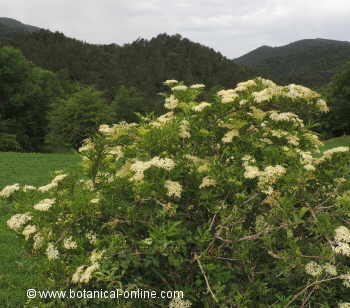
Pollen from flowers can produce allergy to many people
Symptoms of pollen allergy
The main symptoms of hay fever are:
– Nasal congestion
– Sneezing
– Itchy eyes
– Difficulty breathing
– Etc.
Causes of pollen allergy
The cause that produces pollen allergy is the overreaction that the body undergoes when in contact with the pollen of certain plants. Some plants produce allergic reactions to many people.
It is very common in case of grasses belonging to cereals such as wheat, oats and many wild herbs.
Diagnosis and treatment of pollen allergy
If you have an allergic reaction or any symptoms that may assume that this is some kind of allergy, the first thing to do is visit the specialist to identify the element that causes this disease.
The most common tests to determine if you are allergic to pollen are a skin test in which the potential allergy-causing element is applied on the skin to test the reaction to this experience. A blood test may also be required to detect the possible presence of antibodies in the body.
The natural treatment of pollen allergy involves the use of natural resources that can help prevent or ameliorate the symptoms of it.
Phytotherapy: Herbal remedies for the treatment of pollen allergy
The function of the phytotherapy in the treatment of pollen allergy is to offer those plants with anti-inflammatory and antihistaminic properties that help to avoid adverse reactions. At the same time, their use can diminish the use of antihistamine or decongestant that can cause indirect effect or be detrimental, according to some opinions, for the immune system .
- Common nettle (Urtica urens) is useful to combat pollen allergies, including hay fever, avoiding its unpleasant effects such as production of mucus, or cough. (Infusion of a spoonful of dry leaves per water cup. Drink 3 cups a day)
- Ginkgo (Ginkgo biloba) extract prepared from sale in pharmacies and herbalists (Take according to the preparation conditions of use without exceeding the dose, so that is not toxic)
- Licorice (Glycyrrhiza glabra) Used especially to alleviate rhinitis. (Take capsules sold in pharmacies and herbalists in accordance with the terms and conditions of the prospectus)
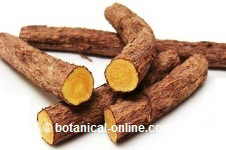
Licorice powder is sold to treat pollen allergy
- Ephedra (Ephedra helvetica) Due to its content in ephedrine, it has similar properties to adrenalin, although it turns out dangerous because it affects blood pressure and heart rate, especially in prolonged use or higher doses than normal (See toxicity of this component).
On the other hand, it has proved quite adequate use in the treatment of allergies. (Infusion of a spoonful of dried flowers per cup of water. 2 cups per day)
 More information on pollen allergy