Contents
Health benefits of pellitory-of-the-wall (Parietaria officinalis L.)
Characteristics of pellitory-of-the-wall
Common noun: Pellitory-of-the-wall, Upright pellitory
Scientific noun: Parietaria officinalis L.
Family. Nettle family – Urticaceae
Habitat: In walls (hence its name) and rubbish
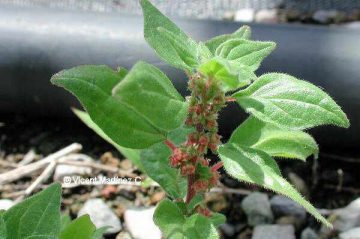
Description of pellitory-of-the-wall
Perennial herb of the Nettle family – Urticaceae – up to 50 cm.
Reddish stems, pubescent.
Non stinging leaves, rhomboid, with two couples of lateral nerves; stalked, alternate, which become stuck on clothes easily.
Flowers in clusters, according to sex.
The fruit is a nut.
Composition: Active components of Upright pellitory
- Glycosides
- Flavonoids – Kaempferol.
- Acids: glicolic, gliceric.
- Mucilages
- Calcium oxalate
- Tannins
MEDICINAL PROPERTIES OF UPRIGHT PELLITORY
INTERNAL USE REMEDIES WITH PELLITORY
Pellitory-of-the-wall is a diuretic plant
This plant constitutes a very effective diuretic, Ideal to increase micturition. One of the best resources when it is necessary to increase the production of urine. It seems that flavonoids grants it this property besides its wealth in potassium.
Two or three infusions a day of a dry couple of spoonfuls of leaves for a liter of water can be used in the following ailments when it is useful to eliminate liquid of the body (this remedy can be substituted by herbal tincture. In this case we should take 40 daily drops diluted in water divided in three daily doses):
- Metabolic illnesses in which the elimination of corporal liquids is fundamental, such as obesity or diabetes, also in the treatment of the cellulitis.
- Rheumatic illnesses, as gout, arthritis or uric acid. When eliminating water, we expel with it all the unwanted substances accumulated in the articulations, deflating them and improving the painful symptoms associated with these complaints. The plant appears in this sense as a fantastic depurative.
- Illnesses of the urinary tract, as gallstones or kidney stones. Pellitory-of-the-wall is very effective in the treatment of the stones of the kidney – calculi – since, when increasing the urine, it impedes the retention of the minerals and the possible formation of a stone. Equally useful to treat renal inflammations (nephritis) or those of the urinary bladder (cystitis) since the emollient values of the mucilages that this plant contains exercise a smoothing property on the body tissues.
- Illnesses of the circulatory system. CO-helper in the treatment of these affections when they are related to water retention, as in the formation of edemas, bad circulation, high blood pressure, etc.
- Acne: Diuretic and depurative properties are sometimes used to improve acne symptoms.
Pectoral properties of pellitory-of-the-wall
Besides its diuretic, emollient and depurative properties, it is necessary to mention its pectoral properties, very useful for the cure of bronchial affections, such as bronchitis and asthma. In this case, half a spoonful of the powder of the dry leaves should be taken three times to the day.
EXTERNAL USE PREPARATIONS WITH PELLITORY
Used externally one can take advantage of its emollient and vulnerary properties for the skin to cure wounds, to improve scars and to impede them to be infected.
Its high content in mucilages and tannins play this effective role. Pellitory-of-the-wall is ideal to diminish inflammations and to alleviate the pain in traumatisms which affect tendons or ligaments – tendinitis or bursitis (Apply a wet compress with the resulting liquid of an infusion of a handful of dry leaves in a liter of water)
Edible properties of pellitory-of-the-wall
The leaves of this plant, especially the young buds, can be eaten as an ordinary vegetable and they are very rich and profitable, contributing with many minerals and with all their medicinal properties.
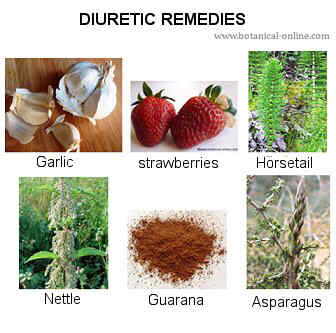
The mixed soups of pellitory and nettle (Urtica dioica) are particularly useful, as an excellent diuretic. Being plants with similar properties, they increase their power when used together.
Other uses of pellitory-of-the-wall
Pellitory-of-the-wall can be used to clean glasses. Equally by rubbing it on copper recipients, it is able to extract the oxide.
Toxicity of pellitory-of-the-wall
No cases of toxicity in the use of this plant have been registered, except for some very few ones with people sensitive to its components. However, one should keep in mind that it is one of the plants whose pollen is responsible for most cases of breathing allergy in the cities and villages.
It has also been considered to be related with many cases of hay fever. So, one should abstain from entering in contact with it one suspects some type of breathing allergic or undesirable reaction to this plant.
 More information about plants.