What is a St John’s wort plant?
Characteristics of St John’s wort (Hypericum perforatum L.)
Common noun: St John’s wort, Penny John, Cammock, amber, Common St. John’s wort, Klamathweed, Klamath weed,
Scientific noun: Hypericum perforatum L.
Family: Saint John’s -wort family – Hypericaceae
Habitat. Where does St. John’s wort grow?
In grasslands, woods and prairies
Botanical description and characteristics of St John’s wort
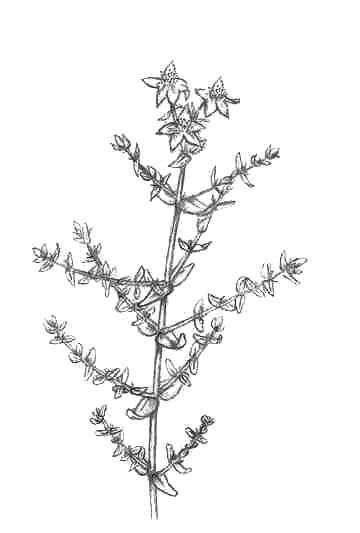
 Perennial herb of the Saint John’s -wort family – Hypericaceae – up to 1 m.
Erect stems with two lateral lines.
Leaves with a short stalk, with numerous translucent glands, resembling holes.
Yellow flowers, till 2 cm wide, generally with dots on petals
.
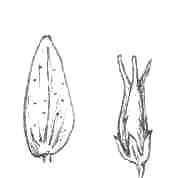
Illustrations of St. Jhon’s wort
Picking-up and storing St John’s wort
Spring and particularly late June is the best season to collect this plant. – It is called St. John’s wort because is in full bloom on St. John’s Day – It should be dried and kept in a dry airtight container.
Composition: Active components of St John’s wort
- Acids: ascorbic, palmitic and estearic (plant)
- Essential oils: Cineol, cariophyllene, pinene
- Minerals: cadmium, lead (leaves)
- Hypericin (plant)
- Hiperforin (plant)
- Quercetin (plant)
- Rutin (plant)
- Limonene (planta)
- Flavonoids (flower)
- Tannins (specially the flower)
Uses of St. John’s wort
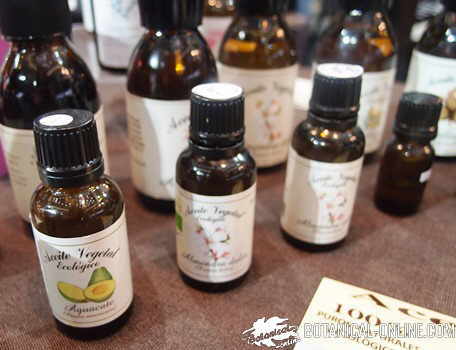
St. John’s wort is used as a medicinal plant and for the extraction of St. John’s wort oil.
 More information on plants