Contents
- 1 How to take berberine for diabetes
- 1.1 What is berberine and what is it used for?
- 1.2 Benefits of berberine for diabetes
- 1.3 Medicinal plants with berberine and their uses
- 1.4 Berberine to lower blood sugar levels
- 1.5 Berberine to lower cholesterol levels
- 1.6 How does berberine work or what is its mechanism of action?
- 1.7 Contraindications of berberine supplements
- 1.8 How to take berberine for diabetes
- 1.9 Side effects of berberine
How to take berberine for diabetes
What is berberine and what is it used for?
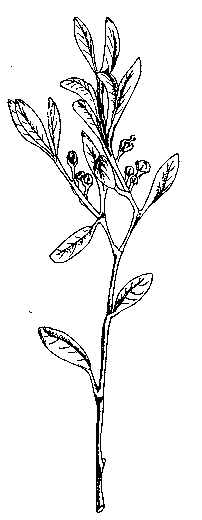
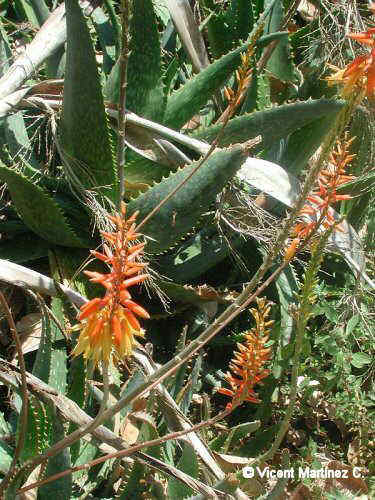
Berberine is a natural component found in the roots and stems of some medicinal plants such as barberry (Berberis vulgaris), a thorny shrub of European origin, although on other continents there are other plants with berberine.
Benefits of berberine for diabetes
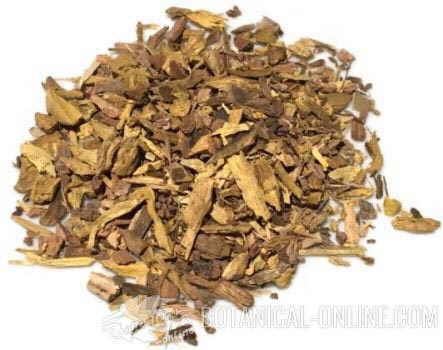
Berberine-containing plants have been traditionally used in Europe, Asia, China, and India. Interestingly, all of them agree on using these plants as remedies to improve digestion. This is explained by their role in controlling postprandial glycemia (blood sugar levels after eating), by preventing excessively high blood sugar levels that would cause drowsiness and malaise.
According to the latest scientific research, berberine may have the following effects, which are beneficial for people with diabetes:
- Significantly lowers blood sugar levels (glycemia)
- Improves insulin sensitivity
- Improves glycated hemoglobin (HbA1c) levels, indicating good diabetes control
- Rebalances circulating insulin levels, preventing excess insulin.
- Reduces triglyceride, “bad” LDL cholesterol, and total cholesterol levels.
- Protects the kidneys from damage caused by diabetes by impacting glycemic control.
Medicinal plants with berberine and their uses
Berberine is one of the most promising supplements for the treatment of diabetes because it has been shown to be as effective as antidiabetic drugs such as metformin.
It has very interesting properties for the natural treatment of diabetes as well as other diseases related to insulin resistance, including diabetes, polycystic ovaries (PCOS), high cholesterol, and even cancer. Several studies have compared the effectiveness of berberine in lowering blood sugar and have shown that it can be as effective as metformin, one of the most widely used oral antidiabetic drugs for controlling diabetes. All of this makes it a very interesting natural product for preventing complications of diabetes and high blood sugar.
Berberine’s effectiveness is such that for many professionals it is one of the supplements of choice in the treatment of these conditions. However, it’s also worth mentioning that this supplement has few but important contraindications that you should be aware of.
Berberine to lower blood sugar levels
Berberine-containing plants have been traditionally used for digestion because they have the ability to lower blood sugar levels, thus preventing hyperglycemia and its characteristic symptoms, such as drowsiness and heaviness after eating.
- Scientific studies conclude that berberine is a better antidiabetic and has fewer side effects than metformin. It should be taken in doses spread throughout the day (500 mg of berberine, 30 minutes before each main meal).
Berberine to lower cholesterol levels
Scientific studies have also shown that berberine offers benefits in controlling high cholesterol levels by preventing the formation of foam cells, which are the main cause of the formation of atheromatous plaque (arteriosclerosis)
How does berberine work or what is its mechanism of action?
It is an alkaloid that is metabolized by the liver and excreted mainly through bile (the liver is its target organ).
Berberine acts at the cellular level by stimulating mitochondrial energy production. It does this by activating the enzyme AMPK and increasing the cell’s energy production, in the form of ATP. Technically, it induces the activation of AMPK, which in turn inactivates HMG-CoA reductase.
As a result, when there are high levels of ATP, the liver stops releasing glucose into the bloodstream (a process called gluconeogenesis). This process is done throughout the day, although especially at night.
Therefore, berberine prevents the liver from releasing glucose into the bloodstream (it inhibits hepatic gluconeogenesis), resulting in lower blood glucose levels and better diabetes control, with the advantage of not causing hypoglycemia (as long as it is not combined with antidiabetic drugs). This process is similar to how other oral antidiabetic medications such as metformin work.
Contraindications of berberine supplements
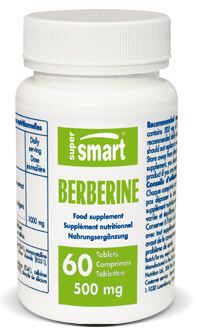
Berberine has few contraindications, but these are important, as in some cases it can have serious consequences. The most important, especially in diabetes, is that it should not be combined with other medications (antibiotics, antidiabetics, antidepressants, etc.) since adverse effects may occur (cardiac toxicity in the case of certain antibiotics, hypoglycemia in the case of antidiabetics, loss of effectiveness of antidepressants, etc.). Women should also not take it during pregnancy.
How to take berberine for diabetes
Scientific studies use doses of 500 mg of berberine, administered 30 minutes before main meals. In some cases, higher doses of 0.8 g (800 mg) or up to 1.5 g (1,500 mg) of berberine have been used, 30 minutes before meals. It is not recommended to exceed 2 grams of berberine per day (not to exceed 2,000 mg of berberine per day).
In case of diabetes, it is always essential to consult a specialist, because if it is combined with other blood sugar-lowering medications can cause adverse effects such as hypoglycemia. For diabetes management, berberine should be taken in supplement form, as these provide a greater amount of the active ingredient than plant itself.
Side effects of berberine
It is recommended to distribute berberine intake in 300-500mg doses throughout the day. Taking too much berberine at once can cause digestive discomfort, upset stomach, and cramping. In high doses, berberine causes constipation, and in fact, it is used against diarrhea (100 mg of berberine distributed in 4 doses).
 More information on the contraindications of berberine and how to take it