Contents
Remedies with medicinal plants with antibiotic properties
Natural antibiotics are those remedies from the plant world that are capable of inhibiting the growth of microorganisms and help our bodies eliminate them. These natural preparations may be able to prevent or cure diseases.
Advantages of antibiotic plants
Nature offers a range of plants with powerful antibiotic properties, which, since ancient times, have been considered highly disinfectant and immunostimulating remedies.
Whenever possible, it’s preferable to use natural antibiotics rather than antibiotic medications. Natural remedies are less aggressive to the body and are just as effective, or even more so, than pharmacological treatments.
Why is it a good option to use natural remedies?
The antibiotic compounds of plants fight many microbes and stimulate the body’s natural defenses, without the harmful effects of antibiotic drugs on intestinal and body health.
Natural antibiotics differ from synthetic antibiotics, that is, those chemical molecules isolated or produced in laboratories, by the following characteristics:
- They respect the beneficial microorganisms to the body, for example, those necessary for the gut flora. Antibiotic medications attack the healthy bacteria that live in our intestines.
- They are safer for your health: the use of medicinal plants presents a lower risk of serious adverse reactions, provided they are used properly. Medications, on the other hand, are purer and more potent substances which should be used with greater caution, only in specific cases.
- Plants are a more affordable, economical, and easier to get than medicines.
- Another great advantage of using plants as natural antibiotics is that they do not produce antibiotic resistance, a problem that occurs due to the disproportionate use of these drugs among the population, and which is the cause of many recurrent infections.
Usefulness of natural antibiotics
Natural antibiotics are the first option to choose when flu or catarrhal infectious processes appear, characterized by headache, mucus, fluid retention, and cold extremities (cold hands and feet). Preparations made with antibiotic medicinal plants can also be used for digestive (gastroenteritis, diarrhea, etc.), genitourinary or skin infections appear.
The use of these natural remedies is respectful of the body and skin (in the case of external use), and stimulates our immune system’s fight against infection. For all these reasons, it can be concluded that, for most infectious processes, preparations with plants are an excellent option.

When should antibiotic medications be used?
Despite the significant advantages of phytoheraphy, there are certain microbes that require the use of medicines, either because they are difficult to eradicate with natural remedies or because they can cause serious illnesses. Therefore, in these cases, action must be taken quickly. Other times there are situations there are situations that require it, such as in the case of vulnerable individuals whose immune systems cannot cope with infections.
When in doubt, it’s always advisable to consult a doctor. Some signs that indicate the need to see a doctor include:
- Children, pregnant women, people taking medication
- High fever of more than 38ºC
- Pain, discomfort, or low-grade fever that does not improve or worsens for more than 2-3 days
- Painful intestinal cramps, diarrhea lasting more than 3 days
- Having been in contact with a pathogen in the last month (for example, a trip to a foreign country)
- Chronic cough (especially in children )
- Infected, smelly wounds with pus or secretions
Antibiotic remedies for external use
- St. John’s wort oil: With vulnerary and antibiotic properties, it is one of the best weapons for healing cuts, wounds, burns, snake bites, sores on the feet or hands.
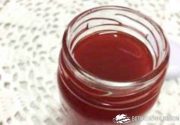
- Star anise (Illicium verum): Anethole has an antimicrobial effect and can be used externally to treat skin infections when there are no open wounds or skin irritation. It is also used in respiratory illnesses.
- Mullein (Verbascum thapsus): The leaves are rich in saponins with antibiotic properties. (Preparation of Unguentum verbasci, described in the study of the plant)
- Calendula (Calendula officinalis): Calendula oil is regenerative while also having antibiotic properties against bacteria, fungi, and antiviral properties.
 More information on natural remedies