What is gut flora and what are its benefits?
What is gut flora?
The terms gut flora, intestinal flora or intestinal microbiota refer to a set of microorganisms that inhabit in our intestines, mainly in the colon.
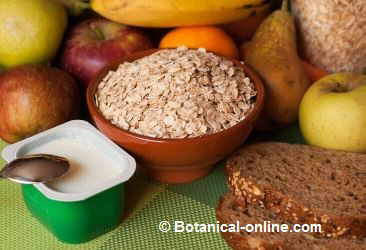
Yogurt with oat flakes. It’s a good combination because the fiber from the vegetables (prebiotic) complements the effect of bacteria (probiotics)
How does the microbiota work?
These microbes feed on the plant remains that we eat and cannot absorb, mainly plant fiber.
The intestinal flora is composed of about 100 trillion microorganisms, approximately 500 to 1,000 different species.
Each person has a different gut flora, although the most abundant species of bacteria are: Bacteroides, Bifidobacterium, Eubacterium, Clostridium, Lactobacillus and Fusobacerium.
The type of diet influences the composition of gut flora: A diet rich in fiber configures a healthy intestinal flora. The gut microbiota is a field that continues to be studied.
Properties of intestinal flora
The first theories about the positive effects of some bacteria on the human body were discovered by the Ukrainian microbiologist Ilya Mechnikov.
The vast majority of intestinal microorganisms are bacteria that act in symbiosis with the host organism. In other words, the gut flora feeds on digestive waste and, at the same time, provides the following health benefits:
- The intestinal flora ferments the fiber from the plant foods we eat.
- This fermentation produces gases and short-chain fatty acids, which serve as food for intestinal bacteria and allow their proliferation.
- The gas formed is beneficial to the intestinal mucosa, as it protects it by preventing direct contact of the fecal bolus with the intestinal wall.
Benefits of gut flora
A gut flora is essential for health, at all stages of life. These are microbes that care for the gut and improve its function.
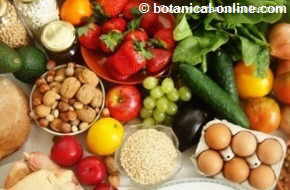
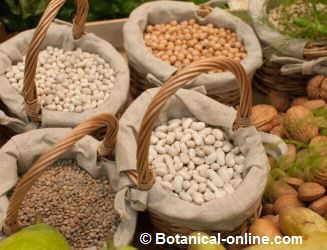
Foods high in fiber promote the growth of good bacteria in the gut: fruits, vegetables, tubers, legumes
- It protects against some diseases: Intestinal bacteria form a protective mucus barrier that lines the intestine and defends it against possible infections. This same bacterial population prevents other harmful bacteria from colonizing the intestine. This same bacterial population prevents other non-beneficial bacteria from colonizing the intestine.When the intestinal balance is disrupted (for example, by eating food contaminated with salmonella), disorders such as gastroenteritis and diarrhea occur.
- Candidiasis: Antibiotic treatments alter the gut flora, allowing other microbes to colonize the intestines. An example of these imbalances is the overgrowth of Candida albicans, which can be a cause of vaginal yeast infection.
Microbiota in the first years of life
It has recently been discovered that natural childbirth helps transmit healthy bacteria to the newborn, which does not occur during cesarean delivery. Furthermore, breastfeeding also transmits probiotics to the baby, which does not happen with formula.
Functions of the gut microbiota
- Vitamin production: The intestinal flora is capable of synthesizing vitamin K, vitamin B5, and vitamin B12. However, in general, intestinal vitamin synthesis is insufficient to meet daily requirements.
- Digestive properties: Intestinal bacteria ferment fiber and indigestible substances, producing short-chain fatty acids that the body can absorb and use for energy. A weakened intestinal flora due to antibiotics, stress, or digestive diseases leads to malabsorption of some nutrients.
Intestinal flora and diseases
- Obesity: It has been seen that people with obesity have a gut flora deficient in beneficial bacteria (probiotics). Based on the discovery of these mechanisms, new obesity therapies advise the consumption of foods containing prebiotics, such as yogurt.
- Increase immunity: When intestinal bacteria ferment fiber, the resulting gases stimulate lymph nodes located in the walls of the intestines (Peyer’s patches), thereby increasing lymphocyte production and immunity.
*More information: Probiotics to boost your immune system
Gut microbiota and cancer
A diet poor in vegetables and high in meat products provides a high amount of heterocyclic amines, compounds that anaerobic gut bacteria convert into amines. These compounds are harmful to the colon and increase the risk of developing colon cancer.
Plant fiber and aerobic bacteria (those that ferment plant fiber) accelerate intestinal transit and, as a consequence, make these putrefactive components stay less time in the intestine.
To prevent the proliferation of anaerobic bacteria and increase probiotic bacteria, the consumption of meat with foods rich in fiber must be balanced. Some foods, such as broccoli and cabbage, contain substances that offer added protective value, that is, glucosinolates.
*Related information: Prebiotic potato

Prebiotic potato recipe. Recommended for diarrhea, stomach pain, and intestinal diseases
Probiotic foods
Some foods, such as yogurt, contain a moderate amount of bacteria like those we have in our intestines. These foods are advertised as probiotics.
Foods with probiotics are convenient to take after antibiotic treatments, in which the intestinal flora may have been damaged.