Contents
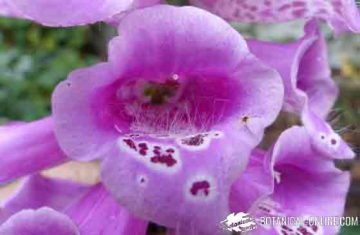
What are foxgloves?
Characteristics of foxgloves (Digitalis spp.)
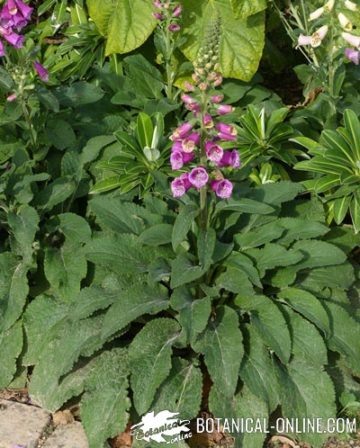
Common English noun: Foxgloves: foxglove, willow-leaved foxglove, wooly foxglove, straw foxglove
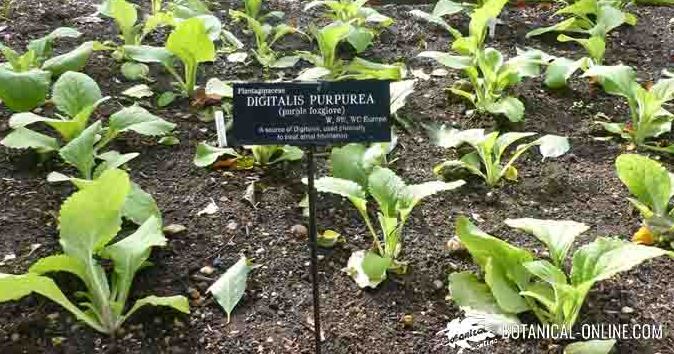
Scientific noun: Digitalis purpurea L.; Digitalis obscura, Digitalis lanata Ehrh, Digitalis lutea, Digitalis parviflora
Family: Foxglove family.- Scrophulariaceae
Habitat: Originating from Europe, it is widespread throughout the central and western regions of the continent. It is currently naturalized in many areas of North America. It is widely cultivated as a medicinal plant. It prefers siliceous soils and mountainous and humid areas.
Main species of foxgloves
Components
- Cardiotonic glycosides: specially digitoxin, gitaloxigenin and digitoxigenin (Digitalis purpurea); digitoxigenin, digoxigenin and gitoxigenin (Digitalis obscura)
- Saponins.
Active parts of the plant
All the parts of the plants are poisonous, but specially the leaves, being the upper ones more toxic than the lower ones.
 More information on medicinal plants
This article was endorsed by Montserrat Enrich - Journalist specializing in edible wild plants and plant uses.