Contents
Characteristics of psyllium husk or psyllium seed husk
What is psyllium?
Psyllium or Ispaghula are some plants of Plantago gender (Plantaginaceae), among which two of them are very used as a folk remedy, Plantago psyllium and Plantago ovata.
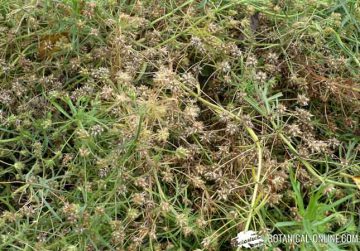
Psyllium or Ispaghula is a type of plantain (Plantago ovata) and is one of the remedies that is used more frequently every day as a more effective alternative to another widely used type of plantain, the psyllium plant (Plantago psyllium).
What is psyllium husk or Ispaghula husk?
Psyllium husk or Ispaghula husk are the outer shell that cover the seeds of Plantago ovata, a type of plantain similar to other plantain species commonly used as medicinal plants, especially the greater plantain (Plantago major).
Common English name: Psyllium, blond psyllium, ispaghula, ispagol, Indian plantago, blond plantago
– Spanish / Español: Ispágula, Ispaghul, Pysilum, pisilio, ispaghula, llantén de la India
Scientific name: Plantago ovata L.
Synonyms: Plantago fastigiata E.Morris, Plantago minima A.Cunn
Family: Plantaginaceae
Habitat: It grows in dry places.
Description of psyllium
Annual plant of the plantaginaceae family up to 30 cm tall.
Leaves 12 cm long by 0.8 cm wide, linear or lanceolate, covered with a clear hariness.
Flowering stems slightly longer than the leaves, terminating in spike-like inflorescences up to 3.5 cm long, with few flowers on the lower part of the spike. Flowers white with prominent stamens.
Flowers with very prominent sepals of papery texture.
Seeds in a pinkish-gray pyxidium.
Psyllium composition
The main components are:
Carbohydrates :
- Fiber: Mucilage, cellulose,
- Sugars: sucrose, xylose, rhamnose (seeds)
Acids: behenic, galacturonic, glutamine, linoleic, linolenic, oleic, palmitic, stearic, (Seeds)
What are these plants used for?
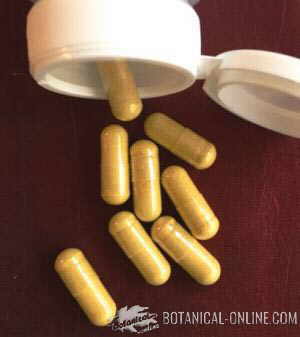
Psyllium husk or psyllium seeds are mainly used as food supplement because of its richness in mucilage, a type of soluble fiber, for cases of constipation, hemorrhoids or high cholesterol.
Although the rise of popularity of these plants is mainly due to supplements obtained from their seeds, we should not forget that both belong to the genus of plantains and exhibit similar medicinal properties to those described in greater plantain (Plantago major).
[more_information id=”plants”]