Contents
- 1 Health benefits of chamomile (Matricaria chamomilla L.)
- 1.1 MEDICINAL PROPERTIES OF CAMOMILE
- 1.2 Chamomile tea benefits for the stomach
- 1.3 Main curative properties of chamomile
- 1.4 Anti-emetic and emetic properties of chamomile
- 1.5 Chamomile tea for cholesterol
- 1.6 Chamomile for celiac disease
- 1.7 Chamomile tea for women’s health
- 1.8 Chamomile tea for fluid retention
- 2 CHAMOMILE HEALTH BENEFITS IN EXTERNAL USE
- 3 Chamomile’s side effects, warnings and interactions
Health benefits of chamomile (Matricaria chamomilla L.)
MEDICINAL PROPERTIES OF CAMOMILE
INTERNAL USE
Chamomile tea benefits for the stomach

Chamomile presents digestive, hepatic, biliary, antispasmodic and carminative properties. These make it one of the best remedies for indigestion. Because of its condition of protector and repairer of the gastric membrane it is very suitable in all those affections in which it is affected some organ of the digestive tract.
It favors the difficult digestions and aids to expel gases from the digestive tract (flatulence). It is also interesting in cases of intestinal spasms and aerophagia.
Also very appropriate for hiatus hernia, ulcers, gastritis, heartburn, abdominal pain, baby colic, diverticulitis, diverticulosis, irritable colon, etc.
It prevents vertigo or dizziness caused by disorders of the stomach. (Infusion of a spoonful of dried flowers per cup of water. Drink 2 cups per day)
The azulene, because of its antiulcerous value, as well as the antispasmodic values of the jaceidine and the gentisic acid can entail these properties, although it seems the bisabolol to be the component that presents the greater anti-inflammatory and repairing value.
It is also necessary to mention the value of this plant like cholagogue, it is to say that it stimulates the production of the bile (the patuletine is the component that infers this value) and hepatic, protecting the liver or helping when some disease of the liver appears (Infusion of a spoonful of dry flowers per cup of water. Drink 2 or 3 cups per day)
Main curative properties of chamomile

Main curative properties of Chamomile
Anti-emetic and emetic properties of chamomile
Considered as one of the best anti emetic, it can be used to suppress vomiting.
However, when too much loaded infusions are taken and in certain very prolonged treatments, although this last case is not very habitual, it can induce the vomit (emetic properties). The last property is very interesting in case of having ingested some toxic product.
It can be used to treat to prevent vomiting when we quit smoking. (Infusion of a spoonful of flower per cup of water. Take a couple of cups a day)
Chamomile tea for cholesterol
Cholesterol depends on the performance of fatty acids in the organism. The presence of choline helps to eliminate fats of the blood which entails to a diminution of the cholesterol in the arteries, preventing from arteriosclerosis , the degeneration of the biliary vesicle and the kidneys. (2 or 3 cups a day of the infusion of a teaspoonful of dry flowers by each cup of water)
Chamomile for celiac disease
- Celiac disease: It has anti-inflammatory and relaxing properties can help reduce inflammation, prevent swelling and reduce pain.
At the same time, its vulnerary properties can help prevent deterioration of the intestinal wall. (Infusion of a spoonful of dried flowers per cup of water. Take 2 cups daily)
Chamomile tea for women’s health
Chamomile can be suitable for women’s health. It is considered an emmenagogue, that’s to say, it facilitates menstruation, avoiding the corresponding pains (the same infusion previously mentioned) For amenorrhea or lack of temporary menstruation (2 or 3 cups per day of the infusion of a teaspoon of dry flowers per water cup)
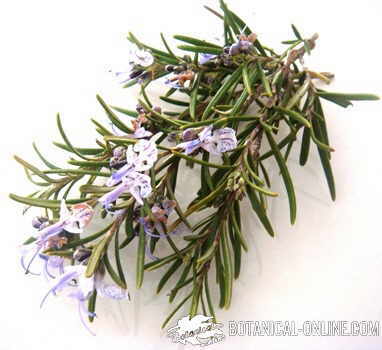
In order to alleviate the pain produced by dysmenorrhea or irregular menstruations it is advisable to prepare mixed infusions to equal parts of sage , rosemary (Rosmarinus officinalis L.) and chamomile (Matricaria chamomilla L.) Take three cups per day until the pain diminishes. Very useful for endometriosis or premenstrual syndrome.
Chamomile tea for fluid retention
- Diuretic: Chamomile is a soft diuretic. It favors the elimination of liquids in the body, reason why it is interesting not only in case of obesity , but also in that assembly of ailments that improve with the water elimination and the consequent toxins elimination specially the uric acid : circulatory and hepatic diseases, gout, arthritis , etc.
- Soft sedative: in cases of nervousness , insomnia , depression , including postpartum depression it is interesting to take infusions from dry flowers
- Anticancerous: Recent studies have demonstrated the influence that acids caffeic and flavonoids have in the prevention or improvement of the cancerous processes.
- Bactericide: Regular consumption of this vegetable can help prevent or decrease the toxicity of food poisoning caused by listeriosis.
CHAMOMILE HEALTH BENEFITS IN EXTERNAL USE
Chamomile tea, a good remedy for skin disorders
Its content in mucilages confers it a repairing value of the affections of the skin. The great presence of components with antiseptical and vulnerary properties- apigenine, chamazulene, gentisic acid, etc. – make it very worthy in the care and repair of the affections of the skin.
It can be used, for example, for pustules, blisters wounds, cuts, punctures, scratches, chafing, Eczema , seborrheic dermatitis, scars, etc. (Apply wet clothes on the affected part. Baths will be made with a loaded infusion of dry flowers in a pair of liters of water, during 15 minutes approximately. The flowers used in these treatments must be of the annual harvest. They mustn’t be keep more than a year.)
Chamomile is one of the best anti-inflammatories. Placed in the form of cold compresses under the eyes, it helps reduce swelling eyes and makes bags under the eyes less noticeable (Infusion of a spoonful of flowers per cup of water. Cool well. Dip a gauze and apply for a quarter of an hour below the eyes)
- Nail fungus: Because of its antibacterial properties, it is appropriate to eliminate nail fungus from the hands or feet. (Make an well loaded infusion with the flowering tops. Perform nail baths for about 5 minutes. Do not dry)
- Rosacea: Wash the face with the infusion of one teaspoon of chamomile flowers in a couple of glasses of water. (Do not use if you are allergic to daisy family) (It is important to use mild soaps containing extracts of this plant to clean the skin)
Because of its antiseptic properties fully charged infusions of chamomile are ideal for mouthwashing to prevent infections that can cause mouth sores or gingivitis. (Infusion of a half a tablespoon of flowers per cup of water. Perform mouthwash. Do not swallow. Highly charged chamomile tea is emetic)
Chamomile can be used to make masks for wrinkles. A syrup can be made with chamomile and thyme to aid wounds cicatrization.(More information about syrup to favor wound healing)
Chamomile tea to decrease pain
- Articular pains: In cases of rheumatism, osteoarthritis, sciatic, bone aches, etc., frictions with the resulting liquid of the maceration of 2 ounces of dry flowers in a liter of olive during a pair of hours can be very soothing. Keep the liquid in a dark and well closed container and to apply when pain appears.
- Dental caries: (Mouthwashes with the resulting liquid of the infusion of a teaspoon of dry flowers by water cup)
- Respiratory tract: Gargles done with the infusion of the dry plant are suitable to treat respiratory diseases, such as sore throat, pharyngitis, aphonia, etc. In case of sinusitis, dilute a few drops of essential oil in a couple of liters of hot water and inhale the vapor)
Chamomile, ophthalmologic repairer
When having the eyes ill – conjunctivitis, tired eyes, eye floaters, cataracts, hypermetropia myopia, presbyopia, astigmatism, styes, etc., chamomile is a good remedy. It contains several anti-inflammatory components, as well as caffeic and linoleic acids, which are considered Aldose Reductose Inhibitors.
Aldose Reductose is an enzyme in the human body whose excess can produce corporal damages, specially in the eyes. (Infusion during 15 minutes of a spoonful of dry flowers in a cup of water. Soak a gauze in the resulting liquid and apply on the eyes.)
Chamomile mouthwashes for dry mouth
The use of chamomile tea helps increase saliva production in case of Sjogren’s syndrome. (Infusion of a spoonful of dried plant per cup of water. Make mouthwashes with the resulting liquid.) (Drink the liquid)
Chamomile’s side effects, warnings and interactions
Safety and precautions in the use of chamomile
Although in no case it is toxic, prolonged treatments or too high doses can lead to digestive irritations with vomit sensation.
Some cases have been described in which, instead of producing sedative effect, have entailed the opposite process: insomnia and nervousness.
People who have allergy to plants of the daisy family – Compositae – should not take preparations with this plant.
 More information about CHAMOMILE SIDE EFFECTS.