Contents
PROPERTIES OF YEW
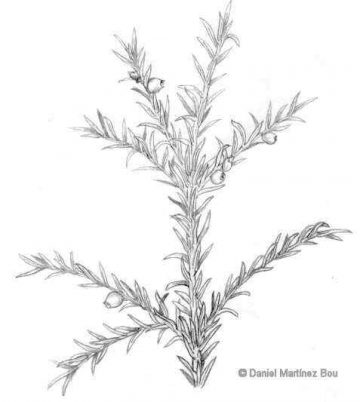
– Medicinal remedies with Taxus baccata: Traditionally the fruits of this plant have been used as antitussive, emmenagogue, abortive, diuretic and laxative.
Being so dangerous, this plant should not be used in home-made medicine!!!
– Medical properties of Taxus: It is being studied the use of taxol as anticarcenogenic
* Additional information: ” Taxus baccata and taxol “
Toxicity of Taxus baccata
- The toxicity of yew is extreme. The mortal dose for adult is fixed in drinking the resulting liquid of cooking of 50 – 100 gr. of leaves in water. The toxicity of the plant is bigger in winter than in summer.
- Some few leaves can be mortal in a child.
- Yew seeds, although very toxic, are very protected so that is very difficult to ingest them.
- Traditionally, it has been considered a poisonous tree, that has been exploited to manufacture arrows to poison enemies.
Are yew fruits poisonous?
Taxus baccata fruits (arils) are not toxic. They are very appreciated by animals, specially by birds that eat them.
Symptoms of poisoning by yew:
The main consequences of ingesting this plant are the following ones:
- Sickness
- Initial tachicardia with later decrease of the heart pulse.
- Vomiting
- Dryness in the mouth,
- Blue lips
- Cramps
- Dilation of the pupil,
- Cardiorespiratory failure and death.
Poisoning takes place in a very short short time – from 30 to 60 minutes –
It is generally fatal and, in the event of overcoming it, sequels in the liver or kidneys may generally remain.
Medical treatment of yew poisoning
Gastric lavage, heart stimulants and artificial respiration.
 More information about plants.