Contents
- 1 Medicinal plant remedies to eliminate microorganisms
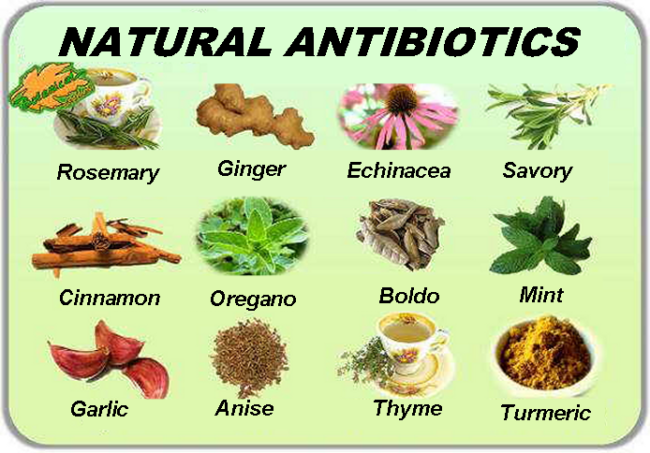
- 1.1 Echinacea, natural stimulant of defenses
- 1.2 Rosemary, a powerful natural antibiotic
- 1.3 Thyme, a valuable antiseptic plant
- 1.4 Antibiotic properties of cinnamon
- 1.5 Ginger as an antibiotic plant
- 1.6 Berberine, powerful antibiotic and natural antifungal
- 1.7 Other medicinal plants with antibiotic properties
Medicinal plant remedies to eliminate microorganisms
Echinacea, natural stimulant of defenses
The main virtue of echinacea (Echinacea angustifolia) lies in its antimicrobial properties against bacteria, fungi and viruses that make it a true alternative to chemical antibiotics. The reason for this property is due to its ability to stimulate the immune system, producing more white blood cells.
Rosemary, a powerful natural antibiotic
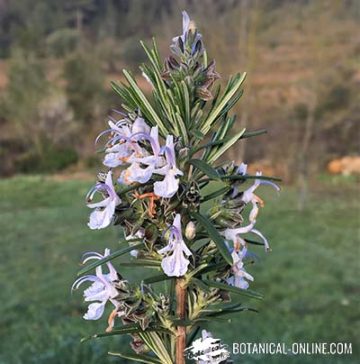
Rosemary (Rosmarinus officinalis) contains more than 40 antibacterial principles and more than 20 antivirals.
In infusions, it helps fight germs of respiratory and intestinal diseases. Used as a flavoring in food, it prevents the proliferation of pathogenic germs in food.
This plant has very powerful antimicrobial properties, in addition to being a good liver tonic, anti-inflammatory, and to stimulate liver detoxification processes. (Rosemary infusion) (Cook with rosemary)
Thyme, a valuable antiseptic plant
Thyme (Thymus vulgaris) is a highly appreciated medicinal plant as a natural antiseptic. It was already used for this purpose in Ancient Egypt.
The entire plant, leaves and flowers are rich in essential oils, with antiseptic, expectorant, antitussive, mucolytic, antimicrobial and antiviral properties.
Traditionally, thyme is considered a strong antibacterial, it does not kill bacteria but prevents them from multiplying (bacteriostatic property), in addition to increasing the body’s natural defenses (immunostimulatory property).
Used externally, it is a powerful disinfectant and helps to heal wounds. It can be taken as an infusion of thyme, or it is delicious in a medicinal thyme soup.
Antibiotic properties of cinnamon

Cinnamon (Cinnamomum verum), due to its richness in essential oils, is a powerful antibiotic plant.
It is considered a good ally for the most common respiratory infections, because it has antiseptic, expectorant and anti-inflammatory components.
Ginger as an antibiotic plant
Ginger (Zingiber officinale) is a very popular tropical plant for its anti-inflammatory properties, but what is often unknown is that ginger also has powerful properties to fight infections.
The antibacterial power of ginger has been especially helpful against infection with the bacterium Helicobacter pylori, which causes many cases of gastritis.
Its use is also interesting in various digestive infections, such as cases of diarrhea, especially in children, and in many cases of gastroenteritis. Fights pathogenic bacteria and does not harm healthy intestinal flora.
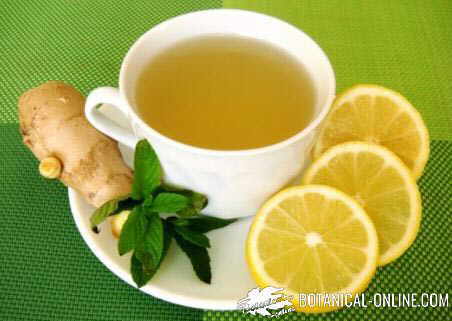
In flu and cold processes, this plant is very useful for reducing fever, nasal congestion and accumulated mucus in the airways. The infusion of lemon and ginger, served very hot, will help to loosen chest congestion and reduce the fever, especially if we add a generous spoonful of honey.
Berberine, powerful antibiotic and natural antifungal
Berberine is an alkaloid that is extracted from some plants such as barberry. It has been shown to be effective against a wide variety of bacteria, fungi, yeasts and parasites, including Candida, Helicobacter pylori, cholera, Giarda, malaria, food poisoning, etc. (*See: Other medicinal properties of berberine)
Other medicinal plants with antibiotic properties
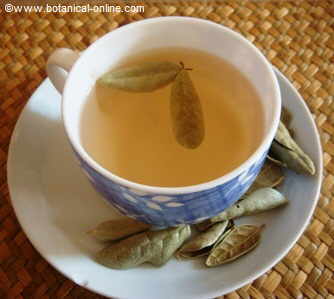
In addition to the main natural antibiotics mentioned, there are many other plants with these properties, among which are:
- Boldo (Peumus boldus): The intense aroma given off by the plant warns of its components to fight against its natural predators. Boldo contains at least 11 nematicidal components in its essential oils (highlights cineol and ascaridol), which fight intestinal worms. The traditional medicine from where it is endemic, in Chile, is used as a remedy against gonorrhea. Ascaridol, present in essential oil, is an anti-malaria component. The plant extract has been shown effective against Candida albicans, Escherichia coli, Pseudomonas aeruginosa and Staphylococcus aureus. It also has great uses for respiratory diseases.
- Plantain (Plantago major): its tannin content exerts an antibiotic effect. In turn, its content in aucubin and mucilages, makes it a very suitable plant in infusions for cold and cough.
- Lemon balm (Melissa officinalis): Lemon balm, due to its thymol content, has antibacterial qualities. The aqueous extract has been used topically to treat the herpes simplex virus. Lemon balm essential oil is also used in baths to treat yeast infections.
- Sundew (Drosera ssp.): The extract of drosera contains plumbagin, which is an antibiotic principle against a wide range of bacteria and viruses. It is used as a remedy for the flu, colds, and to treat respiratory infections.
- Hyssop (Hyssopus officinalis) Its essential oil is antimicrobial and its effect has been proven against certain bacteria.
- Meadowsweet (Filipendula ulmaria): The extract of this plant has antibiotic effects against S. aureus, E. coli, P. vulgaris and P. aeruginosa, bacteria that cause food poisoning and urinary tract infections. It also has salicylates (salicylic acid), with properties to lower fever.
- Wild thyme (Thymus serpyllum) Thymol and carvacrol, present in essential oil, are substances studied as powerful antiseptics capable of fighting microbes and fungi. Infusions with serpol can help overcome infections that affect different body systems.
- Linden (Tilia spp.): Tila has antiviral and antibacterial properties capable of inhibiting the growth of viruses and bacteria, making it very useful to administer during periods when the body is forced to fight infections. In this sense, this plant can be considered a good natural antibiotic.
- Lime (Citrus aurantifolia): The lime contains at least 10 antiseptic components. Along with the properties of vitamin C to prevent colds, flu and infections, this fruit is very suitable to help fight winter diseases.
- Guava (Psidium guajava): Guava leaves are rich in essential plant oils and substances that act as natural antibiotics.
- Pansy (Viola tricolor): This plant contains some antibiotic principles that help treat infectious diseases.
- Hops (Humulus lupulus): Inhibits the development of numerous bacteria, which explains its food use as a preservative, and at the same time the reason why this plant can be useful to avoid some intestinal infections and in the treatment of bacterial infections, both in internal and external use.
- Gentian (Gentiana lutea): The traditional use of this plant gives it properties to fight ear infections, sore throat, otitis, etc.
- Roman chamomile (Chamaemelum nobile): Suitable for colds, due to its antibiotic properties. Azulene, an abundant component in its essential oil, has regenerative properties for the liver.
 More information on natural antibiotics