Contents
- 1 What foods are recommended for gastritis?
- 1.1 Foods for people with Helicobacter pylori infection
- 1.2 Agar agar gelatins for the stomach
- 1.3 Avocado for the stomach
- 1.4 Broccoli and other cruciferous vegetables for gastritis and stomach cancer
- 1.5 The best protein foods: necessary for regenerating the mucosa
- 1.6 Meat and fish for Helicobacter gastritis
- 1.7 Fiber for people with gastritis and Helicobacter
What foods are recommended for gastritis?
Foods for people with Helicobacter pylori infection
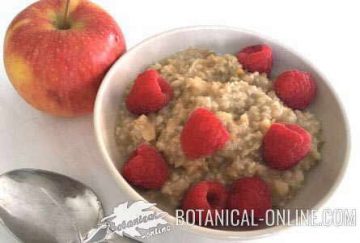
Other foods that may be suitable for people with Helicobacter infection include:
- Oatmeal porridge: Porridge is a traditional recipe usually eaten for breakfast. It can be made in many ways, the most typical being oatmeal porridge, also known as oatmeal. It’s a sweet, high-energy, nutritious, and very gentle on the stomach.
- Pineapple, papaya, or kiwi: If they’re good for your stomach, a bite of these fruits after a meal can help improve digestion because they contain enzymes. They’re also an important source of vitamin C, especially in cases of gastritis, when foods richer in vitamin C are often avoided because they cause discomfort (fruit, citrus fruits, peppers, etc.).
Agar agar gelatins for the stomach

Agar agar gelatins are very suitable for the stomach. Agar agar is a seaweed that provides a type of fiber that is very suitable for the stomach and can also help regulate bowel movements.
This kind of gelatin is prepared with a liquid (for example, calcium-enriched rice drink). When it boils (it must be boiling for the agar to gelatinize), add 1 tablespoon of agar to 1 liter. Boil for 10 minutes. If desired, add a little cinnamon or lemon balm, or add sugar, chopped fruit, etc. Pour into molds and let cool. Serve cold.
Aside from the benefits of its fiber, this calcium-rich vegetable drink is a way to get calcium other than through milk, which can often be indigestible.
Avocado for the stomach
Avocado is a very suitable fruit due to its high vitamin E content, a powerful antioxidant that helps maintain healthy skin and digestive mucosa.
It also provides glutathione (another antioxidant), potassium, magnesium, and vitamin B complex (especially folic acid). It should be taken into account that, due to its high fat content, consuming large amounts (more than one piece) can have the opposite effect and be indigestible.
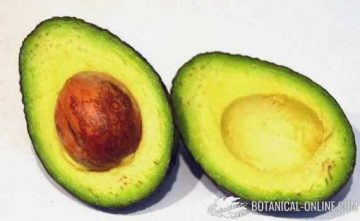
Avocado (it is also called alligator pear) is normally a very “feared” fruit due to its high fat and calorie content, but we shouldn’t be afraid of it making us fat.
It is a food that is perfectly compatible with many types of diets (balanced diets, weight loss diet, etc.). It is very nutritious, but it doesn’t make us fat if we maintain a balanced diet.
We must also not forget that the foods that produce the most fat in our body are those that trigger insulin, which are generally those that are sugary (chocolates, sugar, sweets, pastries, cookies, jams, breakfast cereals, bars, cakes, muffins, fruit yogurts, eating a lot of bread, etc.).
Broccoli and other cruciferous vegetables for gastritis and stomach cancer
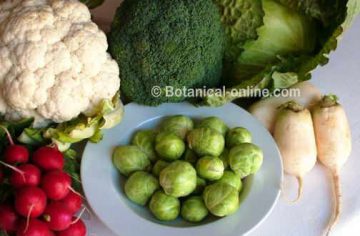
The Cruciferous family, or winter vegetables, includes plants such as cabbage, cauliflower, broccoli, Brussels sprouts, red cabbage, arugula, turnips, radishes… All of these plants have a characteristic spicy flavor due to certain components called glucosinolates, which protect against certain types of cancer, including stomach cancer.
It is recommended to consume some member of this group of vegetables at least twice a week or more. These vegetables are also the richest in vitamin C, which is necessary for repairing the stomach lining.
They can be eaten raw or cooked, but it is more advisable to eat them cooked, either boiled or in soups, because their spiciness can cause stomach pain. If eaten raw, they’re only recommended in small amounts (for example, a few radishes in a salad, or with avocado).
The best protein foods: necessary for regenerating the mucosa
There are foods that require more time to digest and can cause stomach pain if cooked poorly, or that should be eaten in more moderation than the previous ones.
- Egg: It is a source of very good quality protein. It’s recommended to cook it gently, such as omelets or soft-boiled eggs.
- Legumes: These foods are very flatulent for some people and can be difficult to digest, especially if undercooked. The best recommendation for eating legumes is to make sure they are thoroughly cooked (long cooking time), chew them well, and cook them properly. Recipes that include sausages, a lot of meat, spicy food, etc., are not suitable. It is recommended to cook them with rice, potatoes, or vegetables (see vegetarian lentils recipe). The ones that are usually best tolerated are lentils and chickpeas.
- Pasta: You can eat pasta, preferably less frequently than the foods mentioned above (rice, potatoes, creamed soups, well-cooked lentils, etc.). As mentioned with legumes, for better digestion, it is recommended to cook it for a long time, avoid sauces (e.g., tomato sauce), avoid adding too much meat, sausage, or spicy foods, and eat appropriate portions. Noodle soup, for example, is highly recommended. Semolina, such as couscous, or other cereals like millet, are also well tolerated.
- Nuts: They can be eaten in appropriate portions, although in large quantities they can be very indigestible, due to their high fat insoluble fiber content. They are recommended in 20-gram portions (a handful), raw, without salt, and not fried. Preferably with a prior soak of 3-5 hours.
Meat and fish for Helicobacter gastritis
For non-vegetarians, meat and fish are sources of high-quality dietary protein.
White fish is a good option (monkfish, hake, sea bass, cod, grouper, sea bream, perch, etc.), then poultry (turkey, chicken, etc.), rabbit, oily fish (sardines, mackerel, etc.), and finally red meat, which is richest in collagen and slowest to digest (If you eat it, do so in stews, broths, etc., with long cooking times).
It should be consider that eating a lot of meat increases stomach acid secretions. So appropriate portions are recommended (avoid barbecues or popular meals with excess meat in general), and they should always be accompanied by demulcent foods, which are those mentioned above (mashed potatoes, boiled vegetables, boiled rice, etc.).
NOT good options: sausages (frankfurters, chorizo, etc.), smoked salmon, salted meat, meat with a lot of fat (many small white dots are visible).
Fiber for people with gastritis and Helicobacter
Due to their high insoluble fiber content, whole wheat cereal type fiber supplements, fiber toast, or wheat bran are not recommended. The type of fiber provided by wheat or cereals, especially when consumed in large quantities, is very irritating to the digestive system and laxative.
In case of constipation, the most advisable thing is to include vegetables in your diet (boiled broccoli, mashed zucchini, etc.).
You can also add seeds, the most suitable being chia seeds or flaxseed meal (ground flax seeds). Both options should be taken with plenty of water, approximately 1-2 tablespoons a day.
Another option can be prunes: 1-2 prunes soaked overnight in 1 glass of water (drink the liquid and eat the prunes). Dried fruit high in sulfites, which tend to be brightly colored, like dried apricots, is not recommended.
 More information on remedies for gastritis