Herbal remedies for cholesterol
Phytotherapy: Medicinal plant preparations for internal usage to treat cholesterol
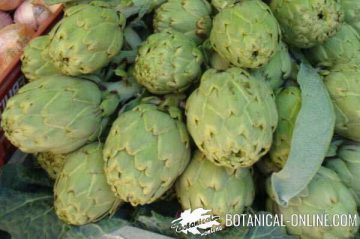
- Artichoke: (Cynara scolymus L.). (Infusion of two tablespoons of dried leaves per liter of water. Take three times daily before meals.) (A preparation of juice of green leaves mixed with wine can be very suitable)
- Garlic (Allium sativum) (Half a gram of tincture per day) (raw in salads) (Maceration of 100 grams of garlic in 400 grams of wine alcohol. Half a teaspoon before bedtime)
- Turmeric (Curcuma longa) (20 grams (3-4 teaspoons) of rhizome of turmeric powder, infused in 1 liter of boiled water. Stand for 12 hours. Filter with the aid of a cloth and drink preparation in divided doses during the next 12 hours. (Capsules: Take turmeric extract capsules as recommended on the package)
- Guanabana or soursop (Annona muricata) Guanabana restores liver function which contributes to the reduction of cholesterol and triglyceride levels to normal.
- Yucca (Yucca filamentosa) Resveratrol in yucca allows to remove cholesterol (Take extract capsules according to leaflet’s patient)
- Pepper (Piper nigrum) Scientific studies have shown that taking pepper regularly in the diet results in an important decrease in cholesterol. These effects are due to piperine, an alkaloid present in the pepper which appears to act on cholesterol levels.
- Fenugreek: (Trigonella foenum-graecum) Fenugreek increases “good cholesterol” and reduces levels of “bad cholesterol” (Fenugreek for cholesterol)
ORANGE PEEL FOR CHOLESTEROL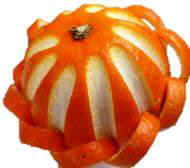 Studies conducted in U.S., showed that orange peels (Citrus sinensis), rich in flavonoids (Tangeritin and nobilitin), managed to reduce by 40% the level of cholesterol in a group of mice subjected to diets rich in this component. The study suggested the possibility of using this food as a way to reduce cholesterol in humans. It also demonstrated that orange peels will have up to 20 times more flavonoids than in this fruit juice because flavonoids do not dissolve in the liquid and are easier to assimilate, that those appearing on the pulp. A piece of orange peel from time to time can help us lower our cholesterol. |
- Kumquat: (Fortunella spp) One study showed how flavonoids in the skin of kumquats reduced bad cholesterol in mice and increased good cholesterol levels. These results suggest that taking kumquats in the diet for the heart protects against bad cholesterol and reduces the risk of cardiovascular disease. (Take the whole fruit, including the skin)
- Jackfruit (Artocarpus heterophyllus) (Take jackfruit leaves aqueous extract under medical supervision)
- Fucus: (Fucus vesiculosus) Once ingested, fucus forms a paste in the intestine. This paste is able to “wrap” cholesterol in the digestive tract by decreasing its absorption into the bloodstream and expelled through the feces.
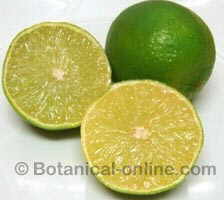
- Lime: (Citrus aurantifolia) Vitamin C helps reduce cholesterol and poor circulation, because of its antioxidant properties. (Drink lime juice a few times a day. It can be mixed with other fruit juices. Introduce a piece of lime in a glass of water to give it curative value and enjoy refreshing its medicinal properties).
- Tamarind (Tamarindus indica) (take infusion of 30g. of leaves per liter of water. Up to 3 cups daily / Pulp: take 20 to 40g. / Tamarind pulp diluted in water up to 3 times daily.)
- Birch (Betula alba) (half teaspoon of tea leaves per cup of water. Take two or three glasses a day after meals)
- Celery (Apium graveolens) (Drink the juice of the fresh plant)
- Onion (Allium cepa) (Macerate 300 g of onion in a liter of water for 12 hours. Take three glasses a day)
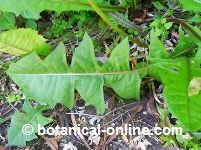
- Dandelion (Taraxacum officinale) (infusion of dried leaves. Take 3 cups a day. The same infusion can also be done with a mixture of leaves roots.)
- Oats (Avena sativa) Besides not containing cholesterol, oats bran has the capacity, by its lifted soluble fiber content, to absorb the cholesterol of the intestine and to expel it with feces to the outside before this it is absorbed by the organism. It has been verified that the people who include bran supplements have lower cholesterol levels.
- Asparagus (Asparagus officinalis) (Infusion of asparagus buds)
- Strawberry (Fragaria vesca) (Eat fruits)
- China cinnamon (Cinnamomum cassia Blume = Cinnamomum aromaticum) polyphenols, the daily treatment, between 3 and 6 grams of China cinnamon crust helps reduce sugar levels in patients of diabetes of type II, or non insulin-dependent diabetes. According to some studies, cinnamon from China determined that the body does not need so much insulin to metabolize glucose. At the same time it is also shown to reduce cholesterol and triglycerides.
- Sunflower (Helianthus annuus) (Oil)
- Pea (Pisum sativum) (Eat its fruit)
- Broad bean (Vicia faba L) (Eat its fruit)
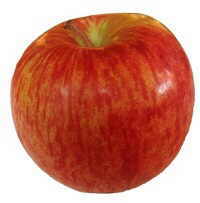
- Apple (Malus domestica) (Eat its fruit)
- Camomile (Matricaria chamomilla) (2 or 3 cups a day of the infusion of one teaspoon of dried flowers per cup of water)
- Chicory (Cichorium intybus) (decoction during 12 minutes of 50 g of dried root per liter of water.) (Drink half a glass of juice of the plant, which can be found in stores or in pharmacies, in several times a day)
- Carrot (Daucus carota) (juice, tea seed)
- Rice (Oryza sativa) The presence of gamna- oryzanol in integral rice ensures that the ingestion of this cereal can become an aid to reduce the cholesterol levels (LDL) in the blood; it will increase cholesterol HDL and diminish the triglycerides. Anyway, those people who have high cholesterol levels (over 200 mg) should better resort to complements than contain this principle or eat red yeast rice.
*See:
– Plant-based diet to increase good cholesterol
 More information about cholesterol natural treatment.