Contents
- 1 Severe constipation that does not improve with treatment
- 1.1 What can I take to solve chronic constipation or severe constipation?
- 1.2 Diet for chronic constipation
- 1.3 Remedies for chronic constipation
- 1.4 Contraindicated plants that cause constipation
- 1.5 Laxatives such as magnesium and Movicol
- 1.6 Supplements for severe constipation
- 1.7 Probiotics for chronic constipation
- 1.8 How to buy a good probiotic supplement?
- 1.9 Omega-3 and krill supplements
- 1.10 Red yeast rice for cholesterol
- 1.11 Berberine for constipation and bad breath
Severe constipation that does not improve with treatment
What can I take to solve chronic constipation or severe constipation?
Question: I have severe constipation that doesn’t go away with Movicol, high doses of senna (Aliviolas Bio product), or magnesium. I should mention that my constipation is very persistent, has lasted for many years, and never goes away. I only find relief from eating kiwi or pineapple.
I’ve been recommended Rumex. I also take Apoxlac Forte (a prebiotic), Omega-3, krill oil, and red yeast rice. I dare to send you this email so that you can tell me which of these are those that cause me constipation.
Diet for chronic constipation
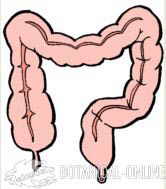
Generally, the treatment of chronic constipation consists of a diet abundant in vegetables, fruit, legumes, oats, seeds, and nuts.
Likewise, when there is constipation, it is interesting to know the foods that improve the intestinal flora (microbiota), among which stand out baked apples, fruit compote, potatoes (especially the prebiotic potato), sweet potatoes, rice, pumpkins, carrots, dried fruits (very rich in fiber) and to eat foods rich in protein.
Similarly, it should be taken into account that, when using natural treatments, the advice of a doctor is always recommended. Information can be obtained through this website, but the knowledge of the expert is necessary, after a personal assessment, to refine good advice and appropriate treatment, depending on the case.
Remedies for chronic constipation
It is recommended to increase carrots (carrot cream, purees, etc.), and plants such as mint and chamomile in the diet, due to their anti-inflammatory, regenerative and protective role in the intestinal mucosa.
Ginkgo (Ginkgo biloba) is a medicinal plant that improves circulation.
Contraindicated plants that cause constipation
There are a number of plants that are completely contraindicated for chronic constipation. Doctors, dietitians, nutritionists, and naturopaths should know that the use of plants such as senna (Cassia), cascara sagrada, sorrel (“Rumex”), rhubarb, and other plants containing anthraquinones are contraindicated when there is severe constipation.
These plants, called “colon-stimulant laxatives“, are very strong laxatives and, with continued use, atrophy the delicate intestinal muscles of the colon. The consequence is atrophy of the intestinal muscles and worsening of constipation.
These stimulant laxative plants should only be used occasionally (e.g., for constipation after a trip or in another specific situation), although unfortunately their regulation is very lax and they are found in the composition of most supermarket herbal teas (so-called detox teas, laxative teas, etc.). It is necessary to keep watch.
Laxatives such as magnesium and Movicol
Movicol is another type of laxative called an “osmotic laxative” just like magnesium, and it doesn’t have these effects. Based on what you’ve said, it’s best to consult a doctor about what remedies to take.
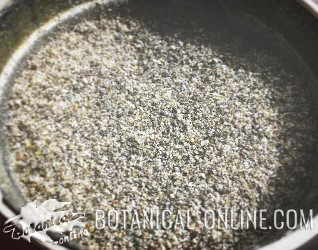
Photo of ground chia seeds
Supplements for severe constipation
If your doctor authorizes you to take fiber, it may be highly advisable to use ground flax seeds (2 teaspoons a day, along with a glass of water or in yogurt, milk, vegetable drink or similar).
For the same purpose, ground chia seeds can be used (just like flax seeds). Chia or flax is recommended depending on the country, as they have practically the same applications. For environmental reasons, it’s best to promote locally consumed foods.
Prunes soaked overnight are also an excellent option (drink the prune plus the liquid).
Probiotics for chronic constipation
Probiotics do not replace a healthy diet and it is not recommended to consume them in a ‘chronic’ manner or without a prescription from the expert. There are many types of probiotics. You should consult about the type of bacteria that would suit you best, if the expert considers that you need to take them.
How to buy a good probiotic supplement?
On the other hand, you should know that not all probiotic supplements are “good”: there are different qualities. We don’t know the exact composition of the probiotic supplement you mentioned. Generally, it’s recommended that it contain “10 to the power of 9” bacteria (More information).
Omega-3 and krill supplements
We have recently published an article comparing the amount of omega 3 that supplements and foods contain. A natural food rich in omega-3 is much more powerful than any omega-3 supplement.
In other words, to obtain omega 3 you do not have to take supplements, but rather eat foods: 7 walnuts a day, 2 teaspoons of ground flaxseed, and small-sized oily fish 2 or 3 times a week: sardines, anchovies in vinegar,… (except in a vegetarian diet ).
Tuna and salmon have a lot of mercury, and the WHO and there has already been an alert on this topic issued by the WHO and other agencies. Therefore, although they can be eaten, it is better to promote small fish over salmon and tuna. Additionally, It’s recommended to cook with (virgin) olive oil. The oil helps lubricate the intestines and to slightly loosen it, although it shouldn’t be overused. The following article discusses omega-3 supplements and also mentions krill oil.
Red yeast rice for cholesterol
Red yeast rice should be taken at night to be most effective in reducing cholesterol. But watch out, do not put the cart before the horse. The basis for lowering cholesterol is a diet rich in vegetables, legumes, fruits, nuts, and seeds. To increase good cholesterol, exercise, avoiding tobacco and do not drink alcohol are good.
Berberine for constipation and bad breath
Chronic constipation can be caused by Clostridium parasitic infections, which are often accompanied by halitosis (bad breath). Scientific studies suggest that in such cases, constipation can be caused by biochemical alterations in the intestinal tract, induced by the parasitic infection. Taking plants containing berberine, such as barberry (Berberis vulgaris), can help improve both conditions, as it is effective against Clostridium.
 More information about constipation