Contents
What is magnesium?
Magnesium ranks fifth in abundance in our body, after calcium, phosphorus, potassium and sodium. More than half of total body magnesium (about 28 g) is found in bones and teeth, almost a third appears in the muscles and other tissues.
The rest is in the blood and other fluids.
The name of this mineral comes from a Greek region called Magnesia which was rich and which was believed to have magical powers. In 1808 Sir Humphry Davy first isolated it.
The lack of this mineral is mainly manifested in the form of muscle contractions accompanied by pain, cardiac arrhythmias, body fatigue, etc.
What is magnesium for?
Magnesium is a very important mineral, involved in over 300 bodily functions. Among the most important are:
– The proper functioning of nerves and muscles. (Transmits nerve impulses and muscle relaxation after them)
– The control heart rhythm. (Speaker in the regularity of heartbeat)
– Blood clotting. (It favors the flow of it)
– The formation of bones and teeth. (It helps to form the enamel of teeth and healthy bones)
– The body’s metabolism. (By activating certain enzymes, is involved in basic bodily functions, including, for example, protein synthesis, metabolism of carbohydrates, the formation of DNA)
– Etc.
Where is magnesium found? Sources of magnesium
The main sources of magnesium are:
– Vegetal sources of magnesium: Major foods rich in magnesium are cereals (Wheat, oats, barley, etc) or its derivatives (bread, wheat germ, pasta, etc) Many vegetal foods contain magnesium. Especially rich are purslane that is a wild plant food that occupies the second position among the plants richest in this mineral after the hickory bark (Carya spp).
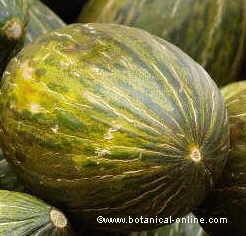
Other plants rich within reach of the majority are (in order from highest to lowest content), black beans, oats, spinach, lettuces, borage, asparagus, watercress, cucumbers, wheat, pumpkins, potatoes, peas, radishes, plums, almonds, melons, celery, endives, grapes, beans, rice, nuts, apricots, raspberries, avocados, bananas, lentils, onions, pears, pineapples, oranges, papayas or peaches.
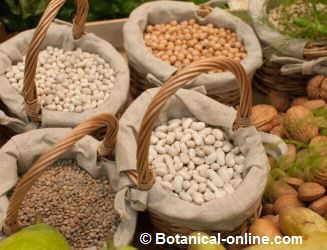
Pulses (lentils, peas, chickpeas, soy,…) are high in magnesium
– Animal sources of magnesium: The main source animal of magnesium is milk, which is the food which people get most of the intake of this mineral. Whole milk has 19 mg per 100 gr. weight, skim milk, 15. Some cheeses are even richer in this mineral.
For example Cheddar cheese contains 28 mg of magnesium per 100 g, while a typical low-fat cheese can contain 5 or 6. Hard goat cheese is very rich and usually have a little more than 50 mg of magnesium.
* More information on food rich in magnesium.
– Supplements: Another form to acquire this mineral is by means of supplements. They can be taken in the form of tablets, capsules or powder. Where there is a special need for increasing this mineral, it is very convenient to use supplements.
The main types of magnesium supplements are:
– Magnesium citrate: The best form to ingest this I supplement is in the form of magnesium citrate because it presents a greater absorption.
– Magnesium aspartate: It also works very well.
– Magnesium oxide: Magnesium oxide is poorly absorbed.
– Water: Drinking water types rich in magnesium, as with so-called hard water or certain medicinal waters rich in this component may be a natural way to get this mineral.
Studies have shown that in those areas with waters rich in magnesium and calcium, people who drink them have lower rates of heart disease than those who drink soft water.
 More information on magnesium